
7 Creative Uses for QR Codes Every Artist Should Try
Over seventy percent of American artists find that keeping their creative lives organized presents unexpected challenges. From cherished keepsakes to essential tools, managing physical and digital information can quickly become overwhelming. QR codes are changing the way American creators preserve memories, track art supplies, and share expertise, offering a blend of convenience and innovative storytelling that takes your art practice far beyond traditional methods.
Table of Contents
- 1. Connect Stories And Memories To Keepsakes
- 2. Create Visual Inventories For Art And Supplies
- 3. Share Process Videos And Tutorials Instantly
- 4. Add Digital Labels To Home Or Studio Storage
- 5. Attach Care Instructions For Handmade Goods
- 6. Guide Guests With Smart QR Appliance Labels
- 7. Link Receipts And Warranties For Easy Access
Quick Summary
| Takeaway | Explanation |
|---|---|
| 1. Use QR Codes for Keepsakes | Attach QR codes to personal items to create immersive narratives linked to memories and stories. |
| 2. Streamline Inventory with QR Codes | Create a visual inventory of art supplies using QR codes to track conditions, costs, and maintenance, simplifying management. |
| 3. Share Tutorials Easily | Embed QR codes in artworks linking to process videos and tutorials, enhancing audience engagement and understanding of your techniques. |
| 4. Implement Smart Digital Labels | Use QR codes on storage to transform ordinary containers into resourceful catalogs, making access to contents and details instant. |
| 5. Simplify Care Instructions | Link QR codes to detailed care guides for handmade items, ensuring customers can easily maintain and preserve their purchases. |
1. Connect Stories and Memories to Keepsakes
QR codes offer artists a powerful way to transform ordinary keepsakes into living, breathing memory repositories. By attaching digital narratives to physical objects, you can create an immersive storytelling experience that preserves personal histories far beyond traditional methods.
Imagine turning a simple family photograph or artwork into a multimedia storytelling platform. With QR codes, you can instantly link personal memories, audio recordings, and video clips directly to your cherished items. This approach allows you to capture nuanced details that traditional labeling cannot convey.
To get started, select a meaningful keepsake and record a short video or audio explanation about its significance. Preserving your family’s memories becomes seamless when you attach a QR code that instantly shares its unique story. For instance, an artist could create a QR code for an inherited paintbrush that links to a video of their grandmother teaching them their first brushstroke.
The beauty of this method lies in its simplicity and emotional depth. QR codes transform static objects into interactive memory portals, allowing future generations to connect with personal histories in a deeply engaging way. Whether you are documenting family heirlooms, archival artwork, or personal collections, these digital markers ensure that the stories behind your treasured items are never forgotten.
2. Create Visual Inventories for Art and Supplies
QR codes have revolutionized the way artists catalog and track their creative materials, transforming inventory management into an interactive and efficient process. By implementing a strategic QR code system, you can create a comprehensive visual inventory of your art supplies, tools, and finished works.
Tracking storage systems for artists and crafters becomes remarkably simple with QR codes. Each QR code can store detailed information about a specific art supply or artwork, including purchase date, cost, condition, location, and even maintenance instructions. This digital approach eliminates the need for manual spreadsheets and provides instant access to critical information.
Researchers have made significant strides in creating visually appealing and functional QR codes. Recent studies like the DiffQRCoder method demonstrate techniques for generating aesthetic QR codes that remain highly scannable. This means artists can create inventory labels that are not only practical but also visually interesting.
To implement your visual inventory system, start by categorizing your art supplies and works. Create a QR code for each item that links to a digital record containing comprehensive details. This approach works particularly well for tracking expensive equipment, limited edition supplies, or pieces in a series. By scanning a QR code, you can instantly retrieve the entire history and details of an artwork or tool, making management more streamlined and professional.
3. Share Process Videos and Tutorials Instantly
QR codes offer artists an unprecedented opportunity to transform static artworks into interactive learning experiences by instantly sharing process videos and behind-the-scenes tutorials. This digital approach bridges the gap between physical art and comprehensive storytelling about creative techniques.
Inspired by innovative projects like Between Page and Screen, which pioneered integrating digital content with physical media, artists can now embed QR codes directly into their artwork or exhibition materials. These codes can link viewers to detailed process videos, step-by-step tutorials, or in-depth artistic explanations.
Recent research on aesthetic QR code generation demonstrates how artists can create visually appealing codes that maintain high scanning reliability. This means you can design QR codes that not only function perfectly but also complement your artistic style. Imagine a watercolor painting with a subtly integrated QR code that, when scanned, reveals the entire painting process from initial sketch to final brushstroke.
To implement this strategy, create short tutorial videos explaining your techniques, upload them to a platform like YouTube or Vimeo, and generate a QR code linking directly to the video. By attaching this code to your artwork or portfolio, you invite viewers into your creative world, offering unprecedented insight into your artistic process and encouraging deeper audience engagement.
4. Add Digital Labels to Home or Studio Storage
Transforming your creative workspace into a smart organized environment is easier than ever with QR code digital labels. These intelligent tags can revolutionize how artists manage and access their studio storage, turning ordinary containers into information rich resources.
Smart organization techniques for artists begin with strategic QR code placement. By implementing scanning robust aesthetic QR codes, you can create a comprehensive digital cataloging system for your art supplies, tools, and materials. Imagine scanning a QR code on a storage bin and instantly accessing its exact contents, purchase dates, inventory levels, and even maintenance instructions.
Digital labeling offers multiple advantages for creative spaces. Each QR code can store extensive information that goes far beyond traditional handwritten labels. For paint supplies, you could link details about specific paint brands, color mixing notes, purchase dates, and replacement recommendations. For tool storage, include maintenance schedules, cleaning instructions, and even tutorial videos demonstrating proper use.
To implement this system, start by selecting waterproof QR code labels that can withstand studio conditions. Systematically label your storage containers, shelves, and supply drawers with unique QR codes. Each code should link to a digital document with comprehensive information, transforming your studio into an intelligently organized creative sanctuary.
5. Attach Care Instructions for Handmade Goods
QR codes offer artists an innovative solution for providing comprehensive care instructions directly with their handmade creations. By embedding digital care guides, you can ensure your artwork remains in pristine condition long after it leaves your studio.
Practical QR code applications for artists have evolved to include detailed product documentation. Scanning robust aesthetic QR codes allow you to link customers to specialized care instructions that go far beyond traditional paper tags. Imagine a delicate ceramic piece with a QR code that instantly reveals washing techniques, display recommendations, and preservation tips.
Digital care instructions provide multiple advantages for handmade goods. These QR codes can include multilingual guides, video tutorials demonstrating proper handling, maintenance schedules, and even restoration advice. For textile artists, a QR code could link to specific washing temperature recommendations, fabric care techniques, and storage suggestions. Ceramic artists might include kiln firing details, glaze preservation methods, and fragility warnings.
To implement this system, create comprehensive digital guides for each product type. Use high quality QR code generators that produce clear, scannable codes. Place the QR code strategically on the product tag or packaging where customers can easily find and scan it, transforming your handmade goods into interactive, well documented art pieces.
6. Guide Guests With Smart QR Appliance Labels
Transforming your living or workspace into an intuitive environment becomes seamless with smart QR code appliance labels. These digital guides provide instant access to instructions, troubleshooting tips, and operational details for everything from complex espresso machines to vintage sound systems.
Scannable labels tutorial for creating smart QR codes offers artists innovative ways to enhance guest experiences. Scanning robust aesthetic QR codes allow you to embed comprehensive information directly on appliances, eliminating confusion and frustration.
Digital appliance guidance provides multiple benefits for hosts and guests. A QR code on a kitchen mixer could link to recipe collections, maintenance instructions, and video tutorials demonstrating advanced techniques. For vintage or complex equipment, these labels can include specific operating instructions, maintenance schedules, and even historical context about the item.
Implementing this system requires creating clear, concise digital guides for each appliance. Choose high contrast QR codes that are easily scannable and place them strategically where guests can naturally interact with them. By transforming ordinary appliances into interactive information portals, you create a welcoming and informative environment that helps guests feel confident and supported.
7. Link Receipts and Warranties for Easy Access
Navigating paperwork and keeping track of important documents can be a nightmare for artists and creators. QR codes offer an elegant solution to transform how you manage receipts, warranties, and critical purchase information.
Smart ways to use QR code labeling can revolutionize document management for creative professionals. Scanning robust aesthetic QR codes enable artists to digitize and instantly access vital purchase documentation without maintaining physical files.
Digital document management provides multiple organizational advantages. A QR code attached to a piece of equipment can link directly to its original receipt, warranty terms, maintenance records, and even manufacturer support contacts. For expensive art supplies or equipment like cameras, printers, or specialized tools, this approach ensures you always have crucial information at your fingertips.
To implement this system, create digital folders for each significant purchase and generate a unique QR code that links directly to the comprehensive documentation. Use cloud storage services to maintain these records securely. By transforming physical paperwork into scannable digital references, you create a streamlined, accessible system that protects your investments and simplifies record keeping.
Below is a comprehensive table summarizing the uses and benefits of QR codes as discussed throughout the article.
| Topic | Description | Benefits |
|---|---|---|
| Connecting Stories to Keepsakes | Linking QR codes to personal items enhances storytelling by attaching digital narratives, videos, and audios. | Creates interactive memory portals and preserves personal histories. |
| Visual Inventories for Art | QR codes streamline inventory management by cataloging art supplies and finished works. | Provides detailed, instant access to item information, enhancing efficiency. |
| Sharing Process Videos | Embedding QR codes in artworks links to tutorials and process videos. | Engages audiences with interactive learning and artistic insights. |
| Digital Labels for Storage | QR codes organize studio spaces by labeling storage with detailed info. | Transforms spaces into well-organized environments with easy access to contents. |
| Attaching Care Instructions | QR codes on handmade goods link to care guides, ensuring proper maintenance. | Offers comprehensive, multilingual care instructions, preserving product quality. |
| Smart Appliance Labels | QR codes guide appliance use with instant access to operational info. | Reduces confusion and enhances user experience with maintenance and usage details. |
| Linking Receipts and Warranties | QR codes provide digital access to purchase documentation. | Simplifies document management and ensures easy retrieval of critical info. |
Unlock Your Artistic Potential with Smack Tags QR Code Labels
Artists face the challenge of connecting deeply with their audiences while managing an ever-growing collection of art supplies, stories, and storage needs. This article highlights how QR codes can transform everyday creativity by preserving memories, organizing inventory, sharing process tutorials, and delivering clear care instructions. The goal is to simplify your workflow and enrich your artistic storytelling through interactive, smart digital labels.
Discover how Creative – Smack Tags offers the perfect solutions for these challenges. Our QR code labels let you easily attach videos, images, and notes to your artworks or storage bins without any apps required. Durable and reliable, these labels help you preserve your stories and create visual inventories that last for generations.
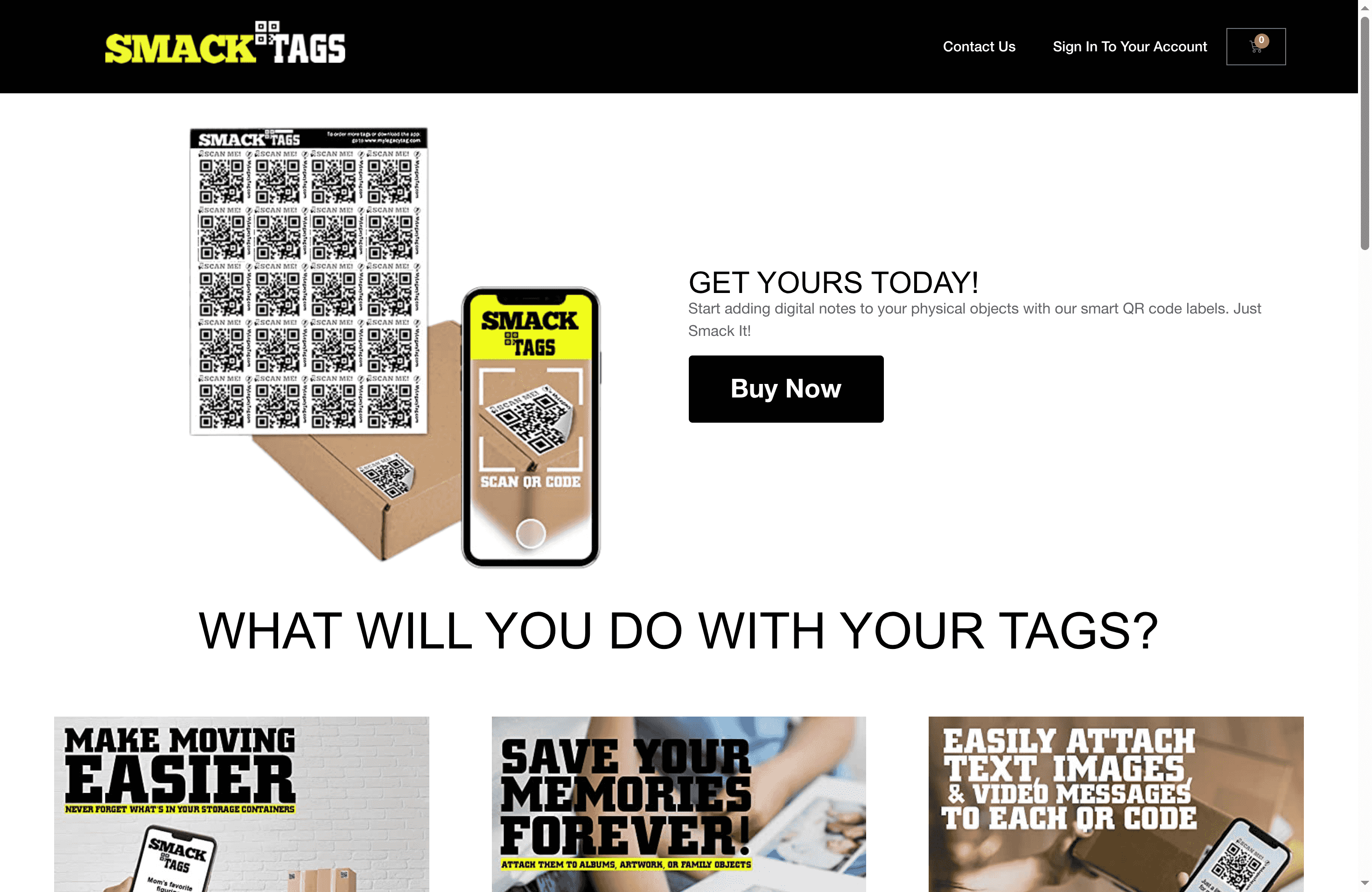
Ready to bring the power of QR codes to your art and studio organization? Visit smacktags.com now and explore how simple it is to elevate your creative practice with scannable, interactive labels. Start preserving your stories, managing your supplies, and sharing your artistic process with confidence today.
Frequently Asked Questions
How can I connect stories to my artwork using QR codes?
You can connect personal stories and memories to your artwork by embedding a QR code that links to a video or audio explanation about its significance. Start by selecting a meaningful piece and recording a brief narrative, then generate the QR code to create a more interactive experience for viewers.
What steps should I take to create a visual inventory of my art supplies using QR codes?
To create a visual inventory, categorize your art supplies and generate a unique QR code for each item that links to its details, like purchase information and current condition. This will help streamline your inventory management, allowing you to quickly access essential data with a simple scan.
How can I share my artistic process with viewers using QR codes?
You can share your artistic process by embedding QR codes in your artwork that link to process videos or step-by-step tutorials. To implement this, create short videos demonstrating your techniques, upload them to a video platform, and generate QR codes that lead directly to each video.
What are the benefits of using QR codes for care instructions on my handmade goods?
QR codes for care instructions provide customers immediate access to detailed guidelines, maintenance tips, and even video tutorials for your handmade items. Create comprehensive digital guides for each product type and attach a QR code on your tags to enhance customer experience and product longevity.
How can QR codes help organize my studio storage more effectively?
By using QR codes to label storage containers, you can easily access information about the contents, purchase dates, and maintenance instructions with a quick scan. Start by selecting durable QR code labels that can withstand studio conditions, and systematically organize your supplies for better management.
How should I manage important documents like receipts and warranties with QR codes?
Manage important documents by attaching QR codes to your equipment that link directly to digital folders containing receipts and warranties. To do this, scan and organize your documents digitally, then generate a QR code for each piece of equipment so you can access critical information easily.
Recommended
- Role of QR Codes in Art: Complete Guide – Smack Tags
- How QR Codes Support Creativity in Daily Life – Smack Tags
- 7 Practical Types of QR Code Uses for Artists and Crafters – Smack Tags
- How to Link QR to Artwork for Easy Digital Access – Smack Tags
- 10 Creative Photography Ideas to Try at Home – Amateur Photographer Guide