
How to Link QR to Artwork for Easy Digital Access
Over 60 percent of American artists now use QR codes to add digital layers to their artwork. As creative expression evolves, finding the right way to connect physical pieces with the digital world can feel daunting. This guide reveals how to seamlessly pair QR codes with your own artwork, highlighting easy steps and practical tips so your creations tell a story both on canvas and through every scan.
Table of Contents
- Step 1: Choose the Right QR Code Labels for Artwork
- Step 2: Create Digital Content to Pair With Your Artwork
- Step 3: Generate and Assign Your QR Code to the Artwork
- Step 4: Securely Attach QR Code Labels to the Artwork
- Step 5: Test QR Codes for Reliable Digital Access
Quick Overview
| Main Insight | Detailed Explanation |
|---|---|
| 1. Choose durable labels | Select QR code labels designed for art preservation to ensure they withstand various environmental conditions. |
| 2. Create engaging content | Develop multimedia narratives like videos or artist commentary to enrich viewer experience and understanding of your artwork. |
| 3. Generate high-quality QR codes | Use reliable platforms to create mobile-friendly QR codes that seamlessly connect to your digital content. |
| 4. Securely attach labels | Position QR code labels in accessible yet unobtrusive spots on the artwork, ensuring they maintain visual integrity. |
| 5. Regularly test QR codes | Consistently verify QR codes across different devices and conditions to ensure they function correctly and provide the intended access. |
Step 1: Choose the Right QR Code Labels for Artwork
Selecting the perfect QR code labels for your artwork requires strategic thinking and careful consideration. Your goal is to find labels that not only preserve your art’s story but also integrate seamlessly with your creative vision.
When choosing QR code labels, focus on durability and aesthetic compatibility. Look for labels specifically designed for art preservation that can withstand different environmental conditions. The U.S. Department of Energy recommends keeping URLs short to enhance scannability, which means selecting compact QR codes that remain clear and readable.
Pro tip: Test your chosen QR labels across multiple devices to ensure universal compatibility. As recommended by AIDC India, integrate these labels harmoniously without disrupting the artwork’s visual integrity. This means selecting label sizes and colors that complement rather than compete with your artistic piece. Ultimately, the right QR code label should feel like a natural extension of your artwork – informative yet unobtrusive.
Step 2: Create Digital Content to Pair With Your Artwork
Transforming your artwork into an interactive digital experience requires thoughtful and engaging multimedia content that enriches the viewer’s understanding and connection with your creative work. Your digital content should provide context, depth, and a unique perspective that goes beyond the physical artwork itself.
Consider creating a multimedia narrative that explores different dimensions of artistic expression, such as behind the scenes videos, artist commentary, or interactive backstories. AI powered tools can help transform standard QR codes into customizable art pieces, allowing you to merge functionality with creativity. The Sharjah Art Foundation suggests blending traditional and digital art by creating content that interacts dynamically with your physical artwork.
Pro tip: Keep your digital content concise and compelling. Your goal is to provide just enough information to intrigue viewers and deepen their appreciation of your artwork without overwhelming them. Short video clips, audio descriptions, or brief written narratives work best. The digital content should feel like a natural extension of your artistic vision – an invitation to explore deeper layers of meaning and creative process.
Step 3: Generate and Assign Your QR Code to the Artwork
Transforming your artwork into an interactive digital experience begins with generating a unique QR code that connects viewers directly to your carefully crafted digital content. This process involves selecting the right platform and creating a code that seamlessly integrates with your artistic vision.

Artists now have multiple options for generating QR codes across different creative platforms. Specialized art platforms like YICCA automatically generate unique QR codes that can be easily printed and added to exhibitions or catalogs. Similarly, art gallery tools like the Vernissaria WordPress plugin can help you create QR codes that not only link to artwork information but also provide valuable visitor engagement analytics.
Pro tip: When generating your QR code, ensure the linked digital content is mobile friendly and the code itself is high resolution. Place the QR code strategically where it complements your artwork without disrupting its visual integrity. Test the code on multiple devices to guarantee smooth accessibility for all viewers. The goal is to create a seamless bridge between your physical artwork and its rich digital narrative.
Step 4: Securely Attach QR Code Labels to the Artwork
Securing your QR code labels to artwork requires a delicate balance between visibility and aesthetic preservation. Your goal is to attach the label in a way that ensures easy scanning while maintaining the visual integrity of your artistic piece.
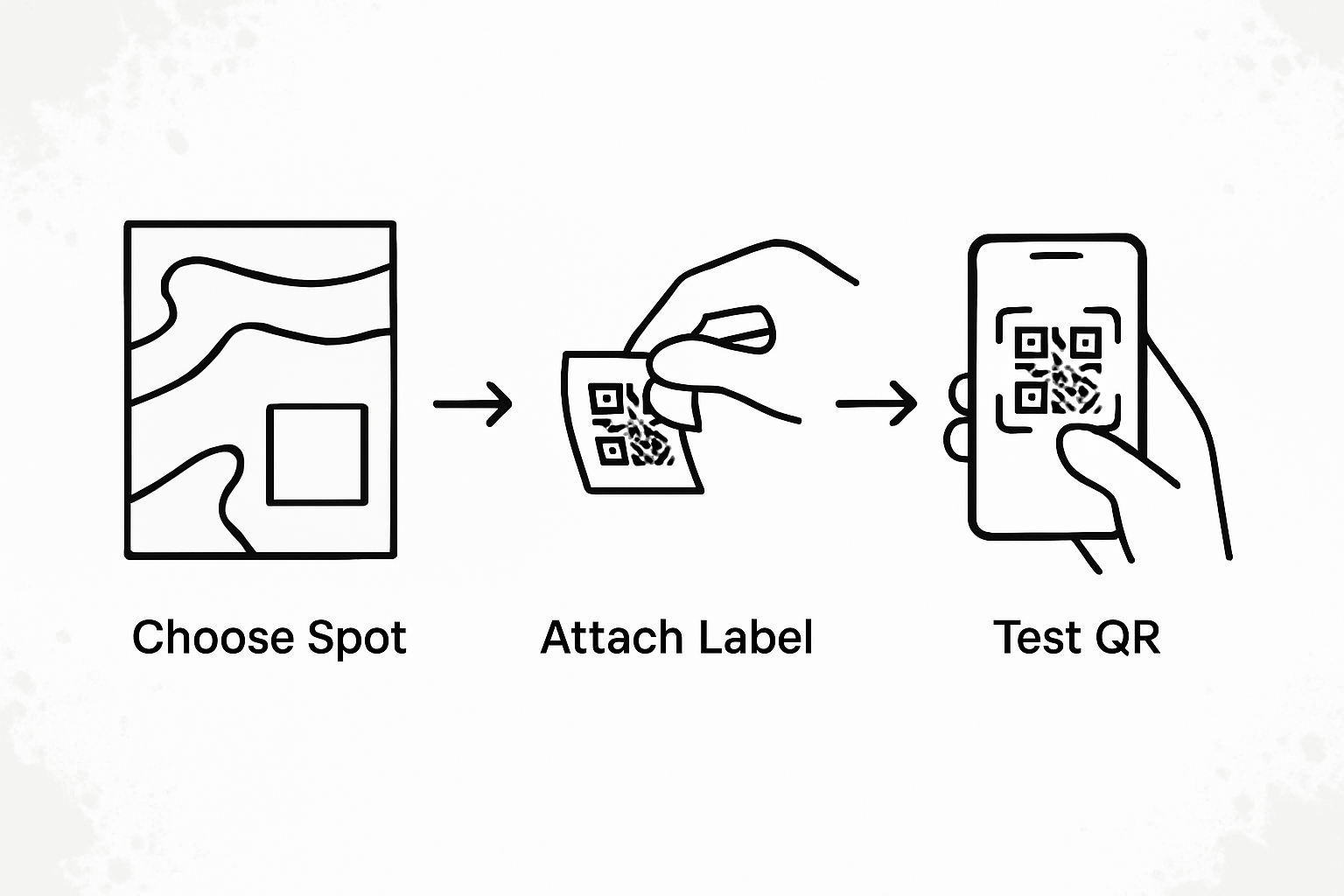
When applying QR code labels, follow strategic organization techniques for artists and crafters. The U.S. Department of Energy recommends carefully considering label placement and attachment methods to effectively direct viewers to additional information. Choose a location that is easily accessible but does not detract from the artwork itself perhaps on the back or a corner where it can be scanned without disrupting the visual experience.
Pro tip: Use archival quality adhesive that will not damage your artwork and can withstand environmental conditions. Test the label placement by having multiple people scan the code from different angles to ensure universal accessibility. Consider creating a small protective overlay or frame that highlights the QR code without overwhelming the artwork. Remember that the label is a gateway to your digital narrative – it should invite curiosity without becoming a distraction.
Step 5: Test QR Codes for Reliable Digital Access
Ensuring your QR codes work flawlessly is crucial for maintaining a seamless digital experience for your artwork viewers. Testing involves verifying that the code can be easily scanned and leads users exactly where you intend.
Tracking QR code usage helps measure the effectiveness of your digital implementation. Explore comprehensive information access strategies to guarantee your digital content reaches your audience smoothly. Start by testing the QR code on multiple smartphone devices with different screen sizes and scanning apps. Check that the URL is short and direct to maximize scannability and reduce potential user frustration.
Pro tip: Create a systematic testing protocol where you scan the QR code from various angles, lighting conditions, and distances. Verify that the linked content loads quickly and displays correctly on both mobile and desktop platforms. Recruit friends or fellow artists to help test the QR code independently, providing diverse perspectives on its functionality. Remember that a reliable QR code is your artwork’s digital gateway – it should invite exploration without technical barriers.
Enhance Your Artwork’s Story With Smack Tags QR Code Labels
Linking QR codes to your artwork can feel challenging when you want to maintain visual elegance while offering rich digital content. The article highlights key goals such as preserving your art’s story, ensuring easy digital access, and integrating QR codes without disrupting aesthetics. If you want a solution that solves these pain points with durable, fade-resistant QR code labels designed for creative projects explore Creative – Smack Tags. These labels provide the perfect balance of discretion and reliability so you can confidently attach interactive codes that invite viewers deeper into your artwork’s story.
Bring your art to life now with smart QR code labels from Smack Tags. Simple to use with no app needed and backed by a flexible digital storage subscription your creative expression stays preserved and accessible. Visit Smack Tags to get started today and turn every piece into an immersive experience that connects with your audience like never before.
Frequently Asked Questions
How do I choose the right QR code labels for my artwork?
To select the right QR code labels, focus on durability and aesthetic compatibility with your art. Look for labels designed for art preservation and test them across multiple devices to ensure they integrate well with your artistic vision.
What type of digital content should I create to enhance my artwork?
Create engaging multimedia content, such as behind-the-scenes videos or artist commentary, to provide context for your artwork. Keep it concise and compelling, allowing viewers to explore deeper layers of meaning without being overwhelmed.
How can I generate a unique QR code for my artwork?
You can generate a unique QR code by using art platforms that offer automatic QR code generation linked directly to your artwork. Ensure the QR code is high resolution and test it on multiple devices to confirm it functions seamlessly.
Where is the best place to attach my QR code label on the artwork?
Attach the QR code label in a location that is easily accessible yet does not detract from the artwork’s visual appeal, such as on the back or in a corner. This ensures viewers can scan it without disrupting their experience of the artwork.
How can I test my QR codes to ensure they work properly?
Test your QR codes by scanning them from various angles and lighting conditions to verify they are easily accessible. Create a systematic testing protocol and have others test the codes to gather diverse feedback on functionality.