
Role of QR Codes in Museums: Boosting Interaction and Access
Over half of American museums now use QR codes to enhance their exhibits. This technology is changing the way visitors interact with art, making information more accessible and interactive. For anyone interested in cultural experiences, understanding how QR codes are redefining museum visits reveals how digital tools can transform learning and engagement inside some of the nation’s most respected institutions.
Table of Contents
- Defining QR Codes in the Museum Context
- Key Types of QR Code Applications for Exhibits
- Enhancing Visitor Experience With Digital Access
- Digital Storytelling and Preservation of Memories
- Privacy, Security, and Accessibility Considerations
Key Takeaways
| Point | Details |
|---|---|
| Impact on Visitor Engagement | QR codes transform museums into interactive spaces, enhancing visitor experiences through immediate access to rich content. |
| Multimedia Learning Opportunities | These technologies enable the provision of diverse educational formats, allowing for personalized learning tailored to various interests. |
| Democratization of Information | QR codes make cultural narratives more accessible, inviting broader audience engagement beyond traditional exhibit formats. |
| Consideration for Accessibility | Museums must address digital inclusion by ensuring QR code implementations are accessible to all visitors, including those with disabilities. |
Defining QR Codes in the Museum Context
QR codes have revolutionized how museums share information, transforming static exhibits into dynamic, interactive experiences. These two-dimensional barcodes provide visitors with instant access to rich, contextual details about artifacts and artworks through digital gateways to exhibit information. Originally designed for tracking automotive parts, QR codes have found an unexpected home in cultural institutions, bridging the gap between physical displays and digital storytelling.
In museum settings, QR codes function as intelligent information portals, allowing visitors to explore detailed narratives behind exhibits using their mobile devices. Linking QR technology to artwork enables curators to provide multimedia content including historical backgrounds, artist interviews, conservation details, and interactive educational materials. This approach transforms traditional museum experiences by giving visitors control over their learning journey, letting them dive deeper into subjects that intrigue them most.
The versatility of QR codes in museums extends far beyond simple information delivery. They serve as powerful engagement tools that can enhance artistic understanding by connecting visitors directly with supplementary resources like scholarly articles, video documentaries, and expert commentaries. By scanning these codes, museum guests can instantly access layered narratives that provide context, challenge perspectives, and create more immersive, personalized exploration of cultural artifacts.
Museums worldwide are recognizing QR codes as more than just technological novelties – they are sophisticated communication tools that democratize information access. Whether displaying details about ancient civilizations, contemporary art movements, or scientific discoveries, these digital markers transform passive observation into active learning experiences. They invite curiosity, encourage deeper investigation, and make complex cultural narratives more accessible to diverse audiences.
Key Types of QR Code Applications for Exhibits
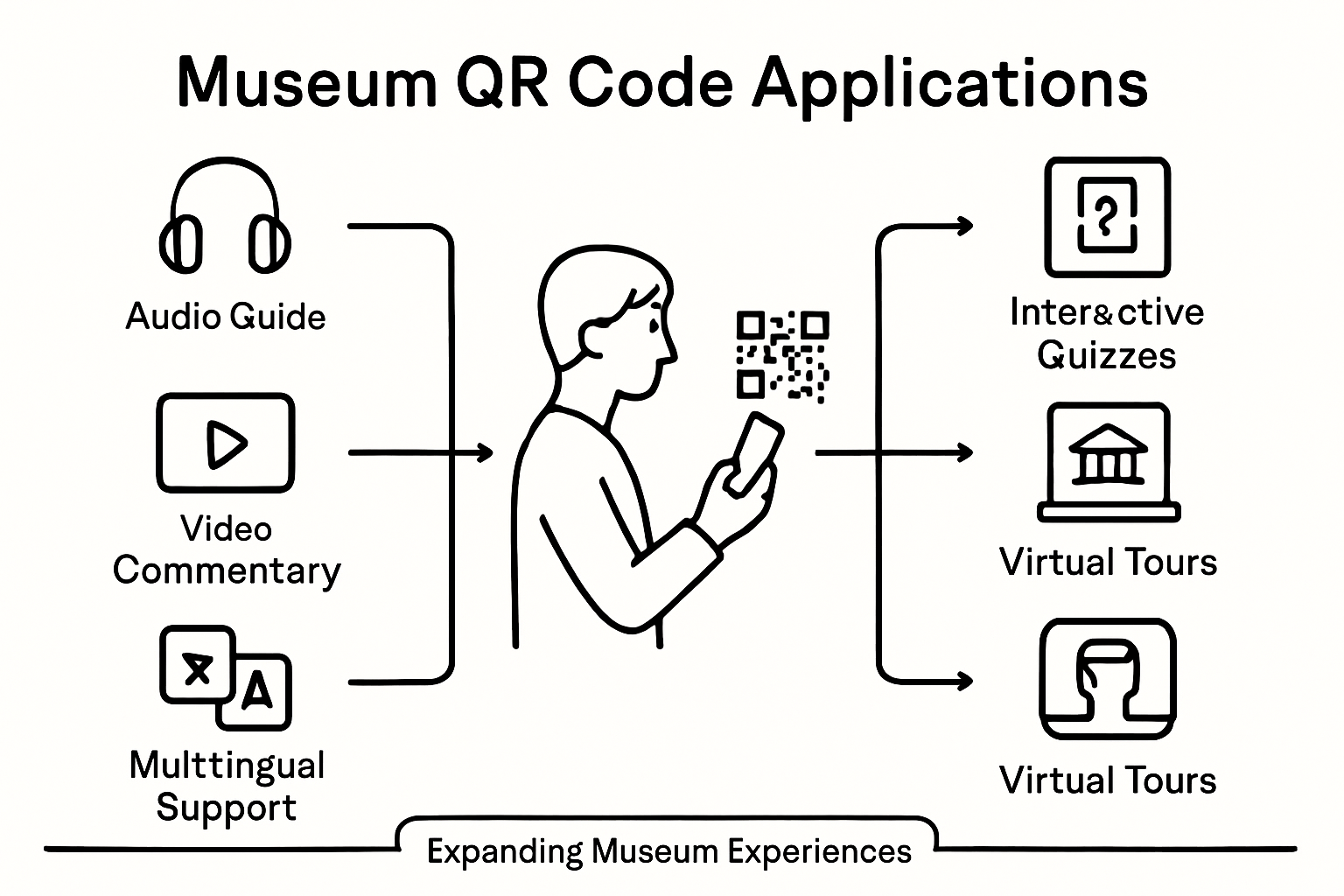
Museums are increasingly leveraging QR code technology to transform visitor experiences through diverse and innovative applications. Information access strategies have evolved dramatically, enabling institutions to provide rich, contextual content that goes far beyond traditional exhibit labels. These digital markers now serve multiple critical functions, from educational resources to interactive storytelling platforms.
One primary application involves providing direct access to curator commentary and supplementary materials. Museums can now embed detailed narratives about organizational exhibits that allow visitors to dive deeper into artifacts’ historical contexts. For instance, a QR code next to an ancient artifact might link to a video explaining its archaeological significance, a curator’s personal insights, or scholarly research about its cultural importance. This approach transforms passive observation into an active, immersive learning experience.
Environmental and science museums have particularly innovative approaches to QR code implementation. These institutions use digital markers to transmit educational content with minimal physical intervention, aligning perfectly with sustainability goals. Visitors can access comprehensive information about ecological systems, scientific processes, or conservation efforts without additional printed materials. Interactive displays might feature QR codes that reveal complex scientific concepts through animations, expert interviews, or real-time data visualizations, making intricate information more accessible and engaging.
The versatility of QR codes extends to specialized exhibit applications like multilingual support, accessibility features, and interactive multimedia experiences. Museums can now provide instant translations, audio descriptions for visually impaired visitors, and links to additional research materials. By integrating these digital gateways, cultural institutions are not just displaying artifacts – they are creating dynamic, personalized learning environments that cater to diverse visitor interests and learning styles.
Enhancing Visitor Experience With Digital Access
Modern museums are revolutionizing visitor engagement through digital access technologies that transform traditional exhibition experiences. Practical approaches to QR code uses have dramatically expanded how visitors interact with cultural exhibits, creating more personalized and immersive learning environments. These digital interfaces bridge the gap between physical artifacts and rich contextual information, allowing visitors to explore deeper narratives at their own pace.
By implementing comprehensive digital guides, museums can provide visitors with unprecedented levels of detailed information about exhibits. Comprehensive guide to event digital interactions demonstrates how QR codes can unlock rich multimedia experiences that go far beyond traditional exhibit labels. Visitors can now access historical contexts, archaeological insights, and related artifact information with a simple smartphone scan, transforming passive observation into an active, interactive exploration of cultural heritage.
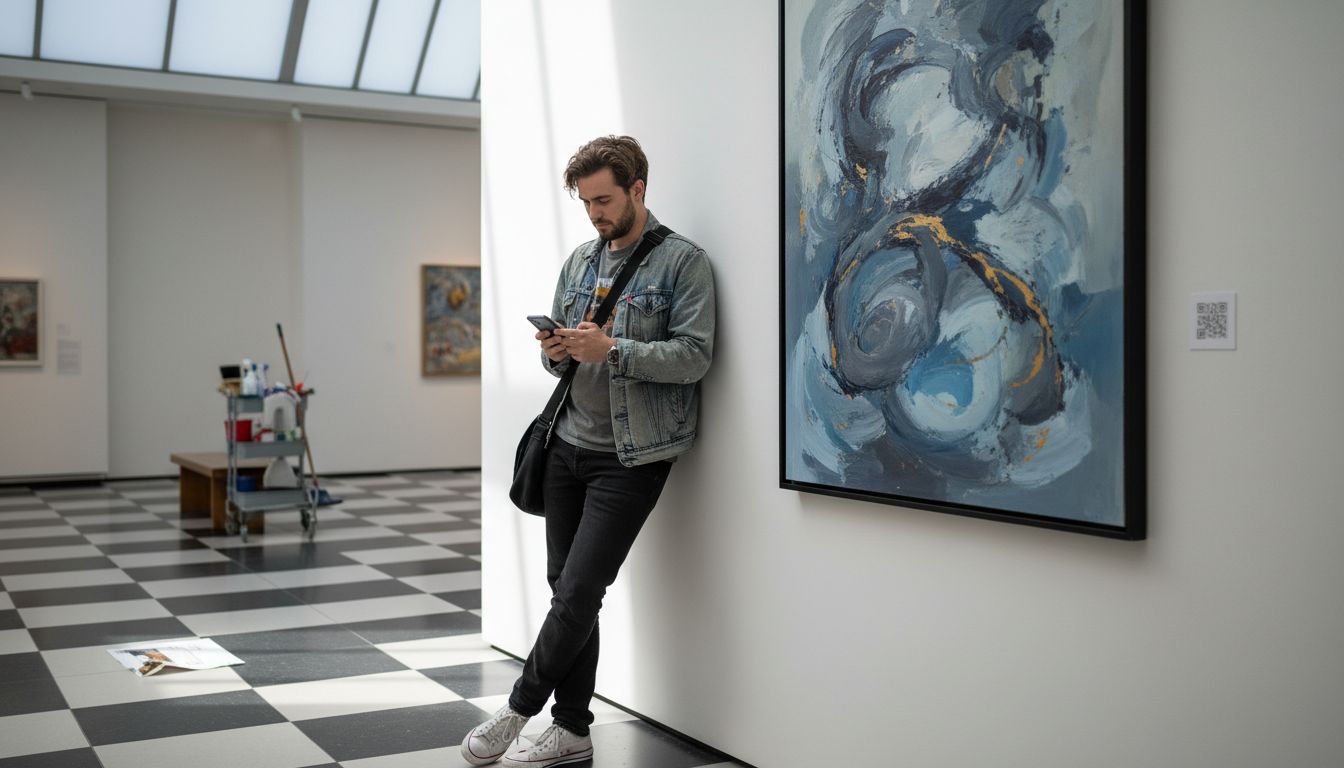
The educational potential of digital access technologies extends beyond mere information delivery. Interactive QR codes enable museums to create multi-sensory learning experiences that cater to diverse visitor preferences and learning styles. Audio descriptions, multilingual translations, expert commentaries, and interactive animations can be seamlessly integrated, making complex historical and scientific concepts more accessible and engaging. This approach democratizes museum experiences, ensuring that visitors with different backgrounds and abilities can deeply connect with exhibits.
Technology-enhanced visitor experiences represent a significant leap forward in cultural education. By leveraging digital access tools, museums are no longer static repositories of artifacts but dynamic, interactive spaces that invite curiosity, encourage exploration, and make learning an immersive, personalized journey. These innovations not only preserve cultural narratives but also make them more compelling, relevant, and accessible to contemporary audiences seeking meaningful connections with history and art.
Digital Storytelling and Preservation of Memories
QR codes have emerged as powerful tools for digital storytelling, transforming how museums capture and communicate the rich narratives behind cultural artifacts. Preserving family memories through innovative digital technologies demonstrates how these compact visual codes can become gateways to deeper, more meaningful experiences. The development of aesthetic QR codes enables museums to integrate visually compelling digital elements that seamlessly blend with exhibit designs while unlocking multimedia narratives.
Museums are now leveraging advanced QR code generation techniques that create visually integrated codes maintaining robust scanning capabilities. These technological innovations allow curators to embed rich media content directly within the visual context of exhibits, creating multilayered storytelling experiences. Visitors can now access detailed audio interviews, historical documentaries, artifact restoration processes, and personal narratives with a simple smartphone scan, turning passive observation into an interactive journey of discovery.
The preservation of cultural memories through digital storytelling extends far beyond traditional archival methods. Interactive QR codes enable museums to capture nuanced human experiences, personal testimonies, and complex historical contexts that traditional exhibit labels cannot convey. By connecting physical artifacts with dynamic digital content, these technologies create immersive narratives that bring historical moments to life, allowing younger generations to connect emotionally with cultural heritage in unprecedented ways.
As digital technologies continue to evolve, QR codes represent a critical bridge between physical artifacts and their intangible stories. They transform museums from static display spaces into dynamic, interactive platforms that honor and preserve cultural narratives. By embracing these innovative storytelling tools, cultural institutions ensure that memories, experiences, and historical insights are not just preserved but actively engaged with, creating meaningful connections between past and present.
Privacy, Security, and Accessibility Considerations
Museums implementing QR code technologies must navigate a complex landscape of digital security challenges while maintaining user trust and accessibility. QR code security protocols have become increasingly sophisticated, addressing critical concerns about data protection and user privacy in digital interactions. The balance between creating visually engaging digital experiences and maintaining robust scanning reliability is paramount for museums seeking to integrate these technologies effectively.
Advanced QR code generation techniques now emphasize the critical need for maintaining scanning robustness while allowing aesthetic customization. Museums must ensure that their digital markers are not only visually appealing but also functionally reliable, preventing potential security vulnerabilities or scanning failures. This approach requires careful consideration of design elements that do not compromise the fundamental integrity of the QR code’s information transmission capabilities.
Accessibility remains a fundamental concern in digital museum experiences. QR code implementations must account for diverse visitor needs, including considerations for individuals with visual impairments, technological limitations, or reduced digital literacy. Museums should provide alternative information access methods, such as tactile exhibit descriptions, audio guides, or staff assistance, ensuring that digital technologies enhance rather than restrict visitor engagement. The goal is to create inclusive experiences that democratize access to cultural information without creating technological barriers.
The intersection of privacy, security, and accessibility represents a critical challenge for museums adopting digital technologies. By prioritizing user experience, implementing robust security protocols, and maintaining a commitment to inclusive design, cultural institutions can leverage QR codes as powerful tools for education and engagement. These digital technologies must be implemented thoughtfully, with a clear understanding of their potential impacts on visitor experiences and institutional responsibilities to protect user data and ensure equitable access.
Unlock Museum Interaction with Smart QR Code Solutions
Museums face the challenge of enhancing visitor engagement while offering rich, accessible information that transforms static displays into immersive stories. The article highlights how QR codes act as dynamic gateways connecting physical exhibits to multifaceted digital narratives. This creates a personal learning journey for every visitor but requires reliable, easy-to-use technology that preserves these stories without compromising accessibility or security.
Smack Tags provides perfect solutions designed to meet these challenges. Our durable, fade-resistant QR code labels allow museums to attach videos, images, and detailed text to exhibits effortlessly. There is no need for a special app and the system supports multimedia content that can deepen visitor understanding and interaction. With your purchase, you receive 20 smart labels plus access to an affordable subscription for secure data storage. Discover more about creative uses of QR codes in cultural spaces by exploring Creative – Smack Tags.

Elevate your museum’s visitor experience today by integrating Smack Tags’ smart QR code labels. Visit Smack Tags now to get started and transform how your audience connects with history and art. For broader insights into effective QR code applications, check out Uncategorized – Smack Tags for additional inspiration.
Frequently Asked Questions
What are QR codes and how are they used in museums?
QR codes are two-dimensional barcodes that provide visitors with instant access to detailed information about exhibits using their mobile devices. In museums, they link to multimedia content such as historical narratives, artist interviews, and educational resources.
How do QR codes enhance visitor engagement in museums?
QR codes enhance engagement by transforming passive observation into active learning experiences. They allow visitors to explore deeper narratives and access rich contextual information about artifacts, making museum visits more interactive and personalized.
What types of content can be accessed through QR codes in museums?
Visitors can access a variety of content through QR codes, including curator commentaries, supplementary materials like videos, scholarly articles, interactive animations, and audio descriptions, which cater to diverse learning styles and interests.
Are there any accessibility considerations for QR codes in museums?
Yes, museums must consider accessibility by providing alternative methods of information access for individuals with disabilities. This can include tactile exhibit descriptions, audio guides, and staff assistance to ensure a fully inclusive experience.
Recommended
- Role of QR Codes in Art: Complete Guide – Smack Tags
- Complete Guide to QR Codes in Organizing – Smack Tags
- The Essential Guide to QR Codes for Information Access – Smack Tags
- How QR Codes Support Creativity in Daily Life – Smack Tags
- 7 Interactive Classroom Ideas for Engaging Learning – Projector Display
- Museums of History NSW – Social Media Strategy – Project Case Study | Marzipan Media