
QR Code Security Explained: Complete Safety Guide
Over 80 percent of american adults have scanned a QR code in the past year, yet misconceptions about their security still run deep. As QR codes pop up on everything from restaurant tables to business flyers, understanding what makes them safe or risky becomes more important than ever. This guide sheds light on QR code security, clears up widespread myths, and offers practical tips to help you avoid threats and safeguard your digital information.
Table of Contents
- Defining QR Code Security And Misconceptions
- Types Of QR Codes And Vulnerability Risks
- How Secure QR Codes Work Technically
- Common QR Code Security Threats
- Practical Steps For Safe QR Code Usage
- Comparing QR Codes With Alternative Solutions
Key Takeaways
| Point | Details |
|---|---|
| Understand QR Code Risks | QR codes themselves are not inherently secure; awareness of the threats they pose, like phishing and malware, is crucial. |
| Verify Sources | Always confirm the legitimacy of QR codes and utilize scanning apps that preview URLs before accessing them. |
| Employ Security Measures | Use updated security software and inspect codes for manipulation to safeguard against potential cyber threats. |
| Explore Alternatives | Consider emerging technologies that can enhance security and functionality beyond traditional QR codes for data sharing. |
Defining QR Code Security and Misconceptions
QR codes have become ubiquitous in our digital landscape, appearing everywhere from restaurant menus to marketing materials. However, many people misunderstand their fundamental security characteristics. QR codes are essentially visual data carriers that can store various types of information, but they are not inherently secure or dangerous by themselves.
According to Information Security, QR codes were originally designed for tracking automobile parts but have since expanded into numerous sectors. While convenient, they lack built-in security features, which makes them potentially vulnerable to malicious exploitation. Cybercriminals can manipulate QR codes to redirect users to harmful websites or trigger unexpected actions on a device.
Security experts emphasize that the risk lies not in the QR code itself, but in the destination it links to. Users often mistakenly assume QR codes are harmless, overlooking potential threats such as:
- Phishing websites designed to steal personal information
- Malware download links
- Automatic network connection attempts
- Unexpected app installations
To protect yourself, always verify the source of a QR code before scanning. If the code is from an unknown or unverified source, proceed with caution. Consider using QR code scanning apps that offer built-in security checks or preview the destination URL before fully loading the linked content. For businesses and individuals looking to create secure QR codes, Role of QR Codes in Business provides comprehensive guidance on best practices and security strategies.
Types of QR Codes and Vulnerability Risks
QR codes are far more complex and diverse than most people realize. Dynamic and static QR codes represent two primary categories, each with distinct characteristics and potential security implications. Static QR codes contain fixed information that cannot be changed after creation, while dynamic QR codes can be updated or modified even after initial generation.
According to Wikipedia, QR codes can carry multiple data types including URLs, plain text, and contact information. However, this versatility simultaneously introduces significant security risks. Cybercriminals can exploit these codes to link to malicious websites or execute harmful scripts that compromise user devices.
Academic Journals research identifies several critical vulnerabilities in QR code technology:
- Data Tampering: Malicious actors can modify existing QR codes to redirect users
- Code Injection: Inserting malicious scripts within QR code data
- Phishing Attacks: Creating deceptive codes that appear legitimate
- Financial Exploitation: Potential for significant monetary losses
For organizations seeking to implement secure QR code strategies, the QR Codes in Organizations Guide offers comprehensive insights into mitigating these risks. Understanding the different types of QR codes and their potential vulnerabilities is crucial for developing robust security protocols that protect both individual users and enterprise systems.

How Secure QR Codes Work Technically
The technical architecture of QR codes involves a complex matrix of black and white modules that encode information through precise geometric patterns. Error correction plays a critical role in maintaining data integrity, allowing QR codes to remain readable even if portions of the code are damaged or obscured.
Recent innovative research from arXiv has revealed groundbreaking techniques for encoding dual messages within standard QR codes. By utilizing sophisticated half-pixel module splitting, researchers have challenged traditional assumptions about deterministic decoding while maintaining full compatibility with existing QR code infrastructure. This approach represents a significant advancement in how information can be securely embedded and retrieved.
arXiv researchers have also developed cutting-edge approaches inspired by quantum key distribution, demonstrating how QR codes can serve as secure communication channels. Their Android application showcases an ingenious method of exchanging random encryption keys between mobile devices, transforming QR codes from simple data carriers into sophisticated security tools.
To understand the intricate mechanisms behind secure QR code generation, the How QR Codes Store Information Guide offers comprehensive insights. Key technical components that enhance QR code security include:
- Robust error correction algorithms
- Encryption of embedded data
- Complex encoding techniques
- Randomization of data placement
- Multi-layer verification protocols
Understanding these technical nuances is crucial for developing and implementing secure QR code systems that protect against potential exploitation and unauthorized data access.
Common QR Code Security Threats
QR codes, while convenient, have become a significant vector for cybersecurity attacks. Their visual simplicity masks potential vulnerabilities that can compromise user privacy and device security in ways most people never anticipate.
Recent research from arXiv revealed a disturbing trend in QR code-based phishing campaigns. The study demonstrated how malicious actors can expertly exploit QR codes to redirect unsuspecting users, particularly those with limited technical knowledge, to dangerous websites designed to steal personal information or deploy malware.
arXiv researchers have developed innovative approaches to combat these threats by introducing advanced detection methods. Their groundbreaking research focuses on analyzing QR code structural features to identify potentially malicious codes before they can cause harm. These detection techniques represent a critical advancement in proactive cybersecurity defense.
The most prevalent QR code security threats include:
- Phishing Redirects: Codes that send users to fraudulent websites
- Malware Installation: Automatic downloads of harmful software
- Data Theft: Capturing personal or financial information
- Network Infiltration: Unauthorized access to private networks
- Social Engineering: Manipulating users through deceptive link placement
For comprehensive guidance on protecting yourself from these risks, the QR Codes for Information Access Guide provides essential strategies for safe QR code interactions. Remember, vigilance is your best defense against these increasingly sophisticated digital threats.
Practical Steps for Safe QR Code Usage
Navigating the digital landscape requires strategic awareness when interacting with QR codes. These seemingly innocuous visual patterns can potentially expose users to significant cybersecurity risks if not approached with caution and informed judgment.
According to Information Security, ensuring safe QR code interactions involves several critical verification steps. Users should always confirm the legitimacy of the code, utilize scanning applications that display the full URL before opening, and remain extremely cautious of websites that unexpectedly request personal or sensitive information.
IT Security experts recommend comprehensive protective strategies for QR code interactions. Their guidelines emphasize avoiding QR codes from unverified sources, being particularly vigilant about codes in public spaces that might have been tampered with, and maintaining updated device security software to mitigate potential risks.
Practical safety protocols for QR code usage include:
- Verify Source: Only scan codes from trusted, recognized sources
- URL Preview: Use scanners that reveal complete destination URLs
- Security Software: Keep device protection systems current
- Physical Inspection: Check for signs of physical code manipulation
- Limit Personal Data: Never share sensitive information through unexpected QR code prompts
For comprehensive guidance on implementing secure QR code practices, the Information Access via QR Codes Guide offers additional insights into protecting your digital interactions. Your digital safety depends on maintaining a proactive and cautious approach.
Comparing QR Codes With Alternative Solutions
The digital identification and information sharing landscape is evolving rapidly, with QR codes representing just one of many potential technological solutions for data transmission and authentication. While versatile, these visual data carriers are not the sole method for securing and sharing information across various contexts.
Recent research from arXiv explores innovative approaches to expanding QR code functionality beyond traditional uses. The study suggests groundbreaking potential for encoding dual messages within standard QR codes, presenting exciting possibilities for advanced applications like two-factor authentication and anti-counterfeiting strategies that could revolutionize existing identification methods.
arXiv researchers have demonstrated another fascinating alternative approach by utilizing QR codes for secure communication inspired by quantum key distribution principles. This research highlights how QR codes can be transformed from simple data carriers into sophisticated secure communication tools, challenging traditional perceptions of their limited utility.
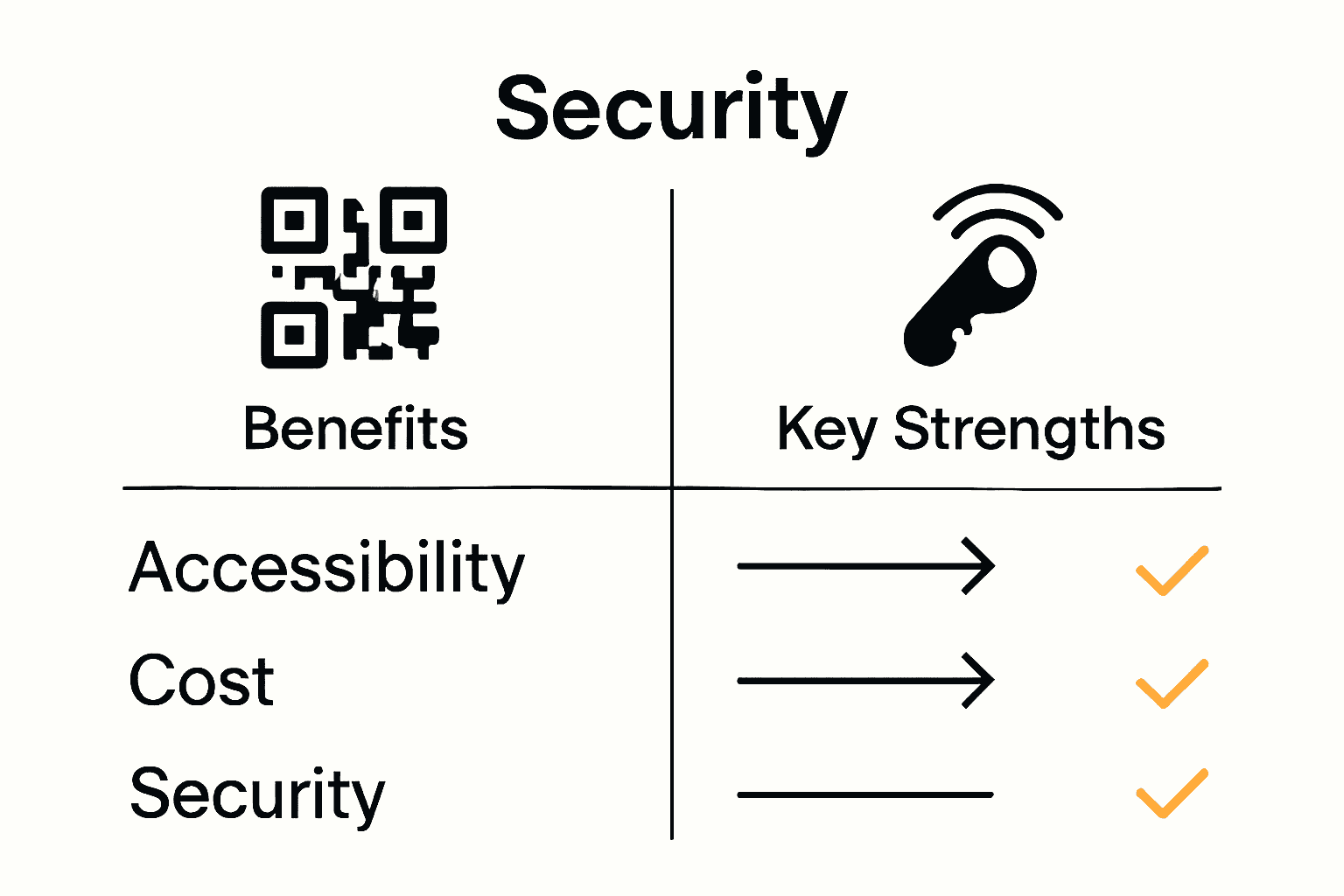
Key comparison points between QR codes and alternative solutions include:
- Accessibility: QR codes require only a smartphone camera
- Cost: Generally more affordable than complex tech solutions
- Implementation: Quick and easy to generate and distribute
- Versatility: Can store multiple data types and link to various resources
- Security: Dependent on implementation and additional protective measures
For organizations seeking to optimize their information sharing strategies, the QR Codes in Tracking Guide offers comprehensive insights into leveraging these technologies effectively across different scenarios.
Enhance Your QR Code Security with Smack Tags Solutions
The challenges of QR code security revealed in this guide show just how important it is to control what information your codes share. With risks like phishing, data theft, and malware, you need more than just a code. You want a reliable way to protect your data while keeping it easy to access. Smack Tags offers smart QR code labels designed for personal and business use that put you in control. Our durable and tamper-resistant tags help you securely connect videos, images, and documents without exposing yourself to hidden threats.

Experience the perfect balance of safety and convenience by exploring our Creative – Smack Tags category where smart, secure labels meet innovative uses. Don’t wait until a security breach happens; take charge now with our simple, no-app-needed QR code solution. Visit https://smacktags.com to start preserving your memories and managing your assets the secure way today.
Frequently Asked Questions
What are the security risks associated with QR codes?
QR codes can lead to various security risks, such as phishing websites, malware downloads, data theft, and unauthorized network access. Users should verify the source before scanning any QR code to mitigate these risks.
How do I know if a QR code is safe to scan?
To determine if a QR code is safe, verify its source, use QR code scanning apps that display the full URL before opening, and avoid codes from untrusted or unknown origins.
What is the difference between static and dynamic QR codes in terms of security?
Static QR codes contain fixed information that cannot be modified after creation, making them less flexible and potentially more susceptible to permanent phishing attempts. In contrast, dynamic QR codes can be updated, allowing for better security as businesses can change the destination URLs if a code is compromised.
What steps can I take to protect myself when using QR codes?
To protect yourself, always verify the source of the QR code, use scanners that show the complete URL, ensure your device has updated security software, and avoid sharing sensitive information through links that weren’t specifically requested.