
7 Best Practices for Storage Labeling Artists Should Know
Most american artists underestimate how pivotal their storage systems are until chaos strikes. With ever expanding collections and creative projects piling up, a disorganized studio can quickly swallow valuable work and critical details. Standardized labeling and smart inventory tools have helped countless artists reclaim their space and protect their art investment. This guide reveals practical strategies that bring order, security, and professionalism to any american artist’s studio organization.
Table of Contents
- 1. Use Clear and Consistent Label Formats
- 2. Incorporate QR Code Labels for Visual Inventory
- 3. Add Photos, Videos, or Notes for Personalization
- 4. Ensure Labels Are Durable and Easy to Scan
- 5. Categorize Items for Quick Information Access
- 6. Regularly Update and Maintain Label Info
- 7. Secure Sensitive Data and Privacy with Digital Labels
Quick Summary
| Key Message | Explanation |
|---|---|
| 1. Standardize Label Formats | Use uniform size, font, and color for clear identification in your storage system. This facilitates easier tracking and organization of artworks. |
| 2. Utilize QR Code Labels | Implement QR codes for efficient digital inventory management, enabling quick access to detailed artwork information with a simple scan. |
| 3. Incorporate Multimedia Elements | Add photos and videos to labels to create a richer context for each artwork, enhancing the storytelling aspect of your inventory. |
| 4. Maintain Label Durability | Choose resilient materials for labels to ensure they withstand handling and environmental conditions, preserving their readability and functionality. |
| 5. Regularly Update Information | Schedule periodic reviews of your labels to ensure all information remains current, maintaining a reliable and professional art management system. |
1. Use Clear and Consistent Label Formats
Creating uniform and legible labels is the backbone of effective art storage organization. Artists manage extensive collections with numerous pieces, making standardized labeling crucial for tracking, preserving, and quickly accessing artwork.
Consistent label formats transform chaotic storage spaces into streamlined systems. By implementing a structured approach, you can dramatically improve how you track and manage your artistic inventory. Uniformity matters more than most artists realize.
When developing your labeling strategy, focus on several key elements:
- Size: Choose a standard label dimension for all items
- Font: Select one clear, readable typeface
- Color: Use a consistent color scheme across your labels
- Information: Include critical details like creation date, medium, and artwork title
Modern artists are increasingly using smart technologies to enhance their labeling systems. According to Artlogic, utilizing standardized QR code labels facilitates efficient inventory management and tracking in art collections. These digital labels can store far more information than traditional handwritten tags.
With smart storage labeling tools, you can create professional inventory systems that protect and showcase your artistic work. Remember that a well-organized studio reflects a professional artist who values their creative output.
2. Incorporate QR Code Labels for Visual Inventory
Modern artists are transforming their storage strategies by embracing digital inventory tracking through QR code labels. These smart labels revolutionize how artists document and manage their creative collections with unprecedented efficiency.
QR codes offer a powerful solution for capturing comprehensive artwork information in a compact visual format. By embedding detailed metadata directly into a scannable label, you create an instant digital archive of each piece. Visual inventory management becomes streamlined and accessible with just a simple smartphone scan.
Implementing QR code labels provides several significant advantages for artists:
- Instant Access: Retrieve complete artwork details in seconds
- Comprehensive Documentation: Store creation date, medium, dimensions, and provenance
According to ArtGalleria, setting up QR codes allows for visual inventory management, enabling quick access to detailed artwork information. This digital approach replaces traditional paper records with a more dynamic and interactive system.
For artists looking to modernize their studio organization, QR codes in storage solutions offer an innovative way to track and preserve creative work. These digital labels not only protect your artistic legacy but also provide a professional approach to collection management that impresses collectors and curators alike.
3. Add Photos, Videos, or Notes for Personalization
Transforming your art storage from mere organization to a rich storytelling experience means going beyond basic labeling. By incorporating multimedia elements like photos, videos, and personal notes, artists can create deeply meaningful documentation of their creative journey.
Personalization turns standard inventory tracking into a vibrant archive of artistic memory. Digital storytelling allows you to capture not just the physical attributes of an artwork but its emotional and creative context. Imagine scanning a label and experiencing the entire narrative behind a piece.
Artists can enhance their digital inventory with multimedia elements such as:
- Behind the scenes video of artwork creation
- Original sketches documenting creative process
- Personal commentary explaining inspiration
- Exhibition context showing artwork in different settings
According to ArtGalleria, enhancing QR codes with photos, videos, or notes personalizes the inventory system, offering richer context for each artwork. This approach transforms storage from a mundane administrative task into a meaningful preservation of artistic heritage.
By preserving your artistic memories through multimedia labels, you create a lasting digital legacy that connects your current work with future generations of artists and art enthusiasts.
4. Ensure Labels Are Durable and Easy to Scan
In the dynamic world of artistic storage, labels are more than just simple identifiers. They are critical tools that must withstand studio environments, frequent handling, and potential exposure to various elements while maintaining their functionality.
Durability and scannability are the cornerstone of effective inventory management for artists. A label that fades, tears, or becomes unreadable can disrupt your entire organizational system and potentially lead to lost documentation of your creative work.
When selecting and creating storage labels, consider these key factors:
- Material Resilience: Choose water resistant and tear proof labels
- Placement Strategy: Position labels where they are protected from direct damage
- Scanning Quality: Ensure high contrast and clear printing
- Surface Compatibility: Match label material to storage surface
According to Jotform, QR codes are durable and can withstand damage, ensuring they remain scannable in various conditions. This durability makes them an ideal solution for artists seeking reliable documentation methods.
For artists looking to optimize their storage systems, understanding scannable labels can transform how you track and preserve your artistic collections. Invest in quality labels that protect your creative legacy and make inventory management seamless.
5. Categorize Items for Quick Information Access
Effective storage management goes beyond simply placing items in containers. For artists, creating a systematic categorization strategy transforms chaotic studio spaces into efficient creative ecosystems where every piece can be located instantly.
Smart categorization allows artists to navigate their collections with precision and ease. By developing a logical organizational framework, you can reduce time spent searching and increase time dedicated to creating art.
When developing your categorization system, consider these strategic approaches:
- Medium Classification: Group items by painting, sculpture, digital art
- Chronological Organization: Sort works by creation year or series
- Size Categorization: Arrange items based on physical dimensions
- Exhibition History: Track pieces by show or gallery appearance
According to ArtGalleria, organizing artworks with categorized QR codes streamlines access to specific information within the inventory. This approach turns your storage system from a simple repository into an intelligent, searchable archive.
Artists seeking to revolutionize their studio organization can explore how to use QR labels for smart organization, transforming their creative spaces into meticulously managed professional environments.
6. Regularly Update and Maintain Label Info
An artist’s inventory is a living document that evolves with each new creation, exhibition, or change in artistic direction. Keeping your storage labels current is not just an administrative task but a critical aspect of professional art management.
Information maintenance transforms your storage system from a static archive into a dynamic tracking tool. By consistently updating label information, you create a reliable historical record of your artistic journey that can prove invaluable for provenance, insurance, and personal documentation.
Consider implementing these update strategies:
- Quarterly Review: Schedule systematic label information checks
- Exhibition Updates: Add new show details and achievements
- Condition Tracking: Note any restoration or preservation work
- Pricing Changes: Update market value and sales history
According to Invgate, regularly reviewing and updating QR code labels ensures accurate and current inventory records. Similarly, ArtLogic emphasizes that maintaining up-to-date QR code information is crucial for effective inventory management and tracking.
Artists seeking to professionalize their studio practices can explore best methods for storage labeling to create a comprehensive and dynamic inventory system.
7. Secure Sensitive Data and Privacy with Digital Labels
In an age of increasing digital complexity, protecting your artistic intellectual property requires sophisticated approaches to information management. Digital labels offer artists powerful tools to control access and maintain privacy while sharing critical artwork details.
Digital privacy protection goes far beyond simple password protection. Modern QR code labeling systems allow granular control over who can view specific information about your artistic works and under what circumstances.
Consider implementing these privacy strategies:
- Access Levels: Create tiered information visibility
- Temporary Sharing: Set time limited access permissions
- Audience Restrictions: Control viewer demographics
- Content Encryption: Protect sensitive artistic details
According to ArtGalleria, implementing QR codes in art collections allows for efficient inventory management and quick access to artwork details. These digital systems provide artists unprecedented control over their creative documentation.
Artists seeking to understand the nuanced world of smart labeling can explore what smart labels can do to transform how they manage and protect their artistic collections.
Below is a comprehensive table summarizing the key strategies and benefits of effective art storage labeling discussed throughout the article.
| Strategy | Implementation | Expected Results |
|---|---|---|
| Clear and Consistent Label Formats | Use standardized size, font, color, and include essential details like creation date and medium | Enhanced tracking and management of art inventory |
| QR Code Labels for Inventory | Integrate scannable QR codes containing artwork metadata | Efficient documentation and management of collections |
| Multimedia Personalization | Add photos, videos, or notes to QR codes | Enriched storytelling and context for artworks |
| Durable and Scannable Labels | Select water resistant and tear proof materials with high contrast printing | Reliable preservation and documentation |
| Systematic Categorization | Organize by medium, chronology, size, and exhibition history | Quick and precise access to artwork information |
| Regular Updates | Schedule reviews and update labels with new exhibits or condition changes | Maintain accurate and dynamic records |
| Digital Privacy and Security | Implement access levels, audience restrictions, and encryption | Secure handling of sensitive artwork data |
Transform Your Art Storage with Smart QR Code Labels
Artists face the constant challenge of organizing and preserving their creative work in a way that is both efficient and meaningful. This article highlights key pain points such as the need for clear labeling formats, durable and scannable tags, multimedia personalization, and dynamic updates to keep artistic inventories detailed and accessible. If you want to move beyond traditional, cluttered storage methods and embrace a smart, professional system this is the moment.
Discover how the Creative – Smack Tags solutions help you implement these best practices by offering durable, fade-resistant QR code labels that store rich information including videos, images, and notes. These digital labels not only simplify quick information access but also preserve the stories behind every piece of art you create. With easy setup and no app required, you can start tracking your collection today and protect your artistic legacy with confidence.
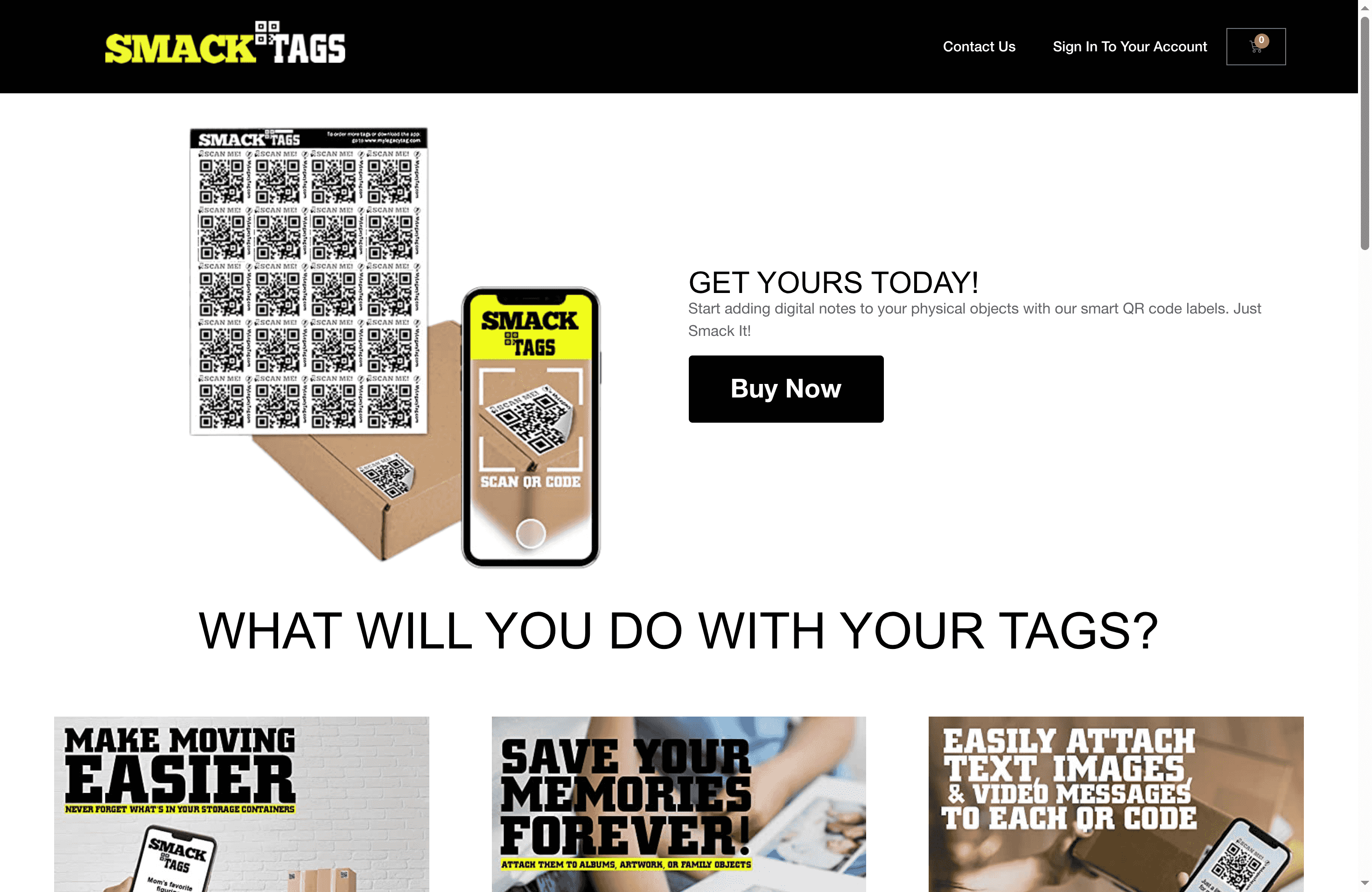
Elevate your studio organization and safeguard your creative journey with Smack Tags. Explore our site at smacktags.com now to experience smart labeling solutions designed specifically for artists who demand professionalism and simplicity in their storage systems.
Frequently Asked Questions
How do I create clear and consistent storage labels for my artwork?
To create clear and consistent storage labels, choose a standard label size, use one readable font, and select a consistent color scheme. Include essential details like the creation date, medium, and artwork title to enhance accessibility.
What are the benefits of using QR code labels for my art inventory?
QR code labels provide instant access to comprehensive information about each artwork, enabling you to manage your inventory efficiently. To implement this, create QR codes that link to detailed artwork information, allowing for easy updates and comprehensive documentation.
How can I personalize my storage labels to tell a better story about my artwork?
You can personalize your storage labels by adding multimedia elements such as photos, videos, and personal notes about the artwork. Start by recording behind-the-scenes videos or original sketches that document your creative process for a richer narrative.
What materials should I choose for durable storage labels?
Select water-resistant and tear-proof materials for your labels to ensure they withstand studio conditions. Ensure proper placement to protect them from damage and maintain their functionality for long-term inventory management.
How do I develop an effective categorization strategy for my art storage?
To develop a categorization strategy, group your artworks by medium, chronological order, size, or exhibition history. Organize your collection logically, which can save you time and enhance your creative workflow.
How often should I update the information on my storage labels?
You should regularly update your storage labels at least quarterly, especially after exhibitions or significant changes in your artwork’s condition. Schedule systematic reviews to ensure your inventory remains accurate and reflects your current artistic journey.