
The Essential Guide to QR Codes in Crafting
More than 80 percent of american crafters now experiment with digital tools alongside traditional materials. The rise of QR codes is changing how artists tell stories and connect with viewers, allowing even handmade projects to link instantly to videos, playlists, or photo galleries. This blend of old and new opens up opportunities for truly interactive creativity. Whether you enjoy textiles, paper crafts, or mixed media, understanding QR codes can bring a modern dimension to every project.
Table of Contents
- Defining QR Codes In Modern Crafting
- Types Of QR Codes And Craft Applications
- How QR Code Labeling Works For Crafters
- Creative Ways To Use QR Codes In Projects
- Costs, Durability, And Setup Requirements
- Common Pitfalls When Using QR Codes
Key Takeaways
| Point | Details |
|---|---|
| QR Codes Enhance Crafting | QR codes bridge physical and digital elements, allowing crafters to embed interactive narratives and multimedia in their work. |
| Diverse QR Code Types | Various QR code formats, such as standard and micro codes, provide flexibility for integrating digital content into artwork. |
| Cost-Effective Implementation | Generating QR codes is inexpensive, requiring minimal tools and offering significant creative potential for artists of all skills. |
| Importance of Testing | Crafters should thoroughly test QR codes in different conditions to ensure reliable scanning and enhance user experience. |
Defining QR Codes in Modern Crafting
QR codes have transformed from simple tracking tools to versatile creative companions for artists and crafters. These two-dimensional barcodes offer an innovative way to bridge physical and digital experiences, enabling creators to embed interactive elements directly into their artistic projects.
At their core, QR codes are sophisticated digital markers that can store significant amounts of data. Unlike traditional barcodes, these square-shaped graphics can encode complex information quickly and efficiently. Crafters now leverage these codes to add multimedia dimensions to their work, turning static pieces into dynamic, storytelling experiences.
The creative potential of QR codes extends far beyond basic information storage. In modern crafting, artists use these digital markers to connect physical art pieces with digital narratives, tutorial videos, personal stories, or even augmented reality experiences. A textile artist might create a quilt with embedded QR codes that reveal the historical context of each fabric pattern, while a scrapbooker could link personal photographs to additional background stories or recorded memories. Practical types of QR code uses have expanded dramatically, transforming how artists share and contextualize their creative work.
Understanding QR codes requires recognizing their fundamental structure. These compact graphics contain black squares arranged on a white background, forming a unique pattern that digital devices can rapidly interpret. When scanned with a smartphone or tablet, these codes instantly translate their geometric design into actionable digital content, making them a powerful tool for crafters seeking to add interactive layers to their artistic creations.
Types of QR Codes and Craft Applications
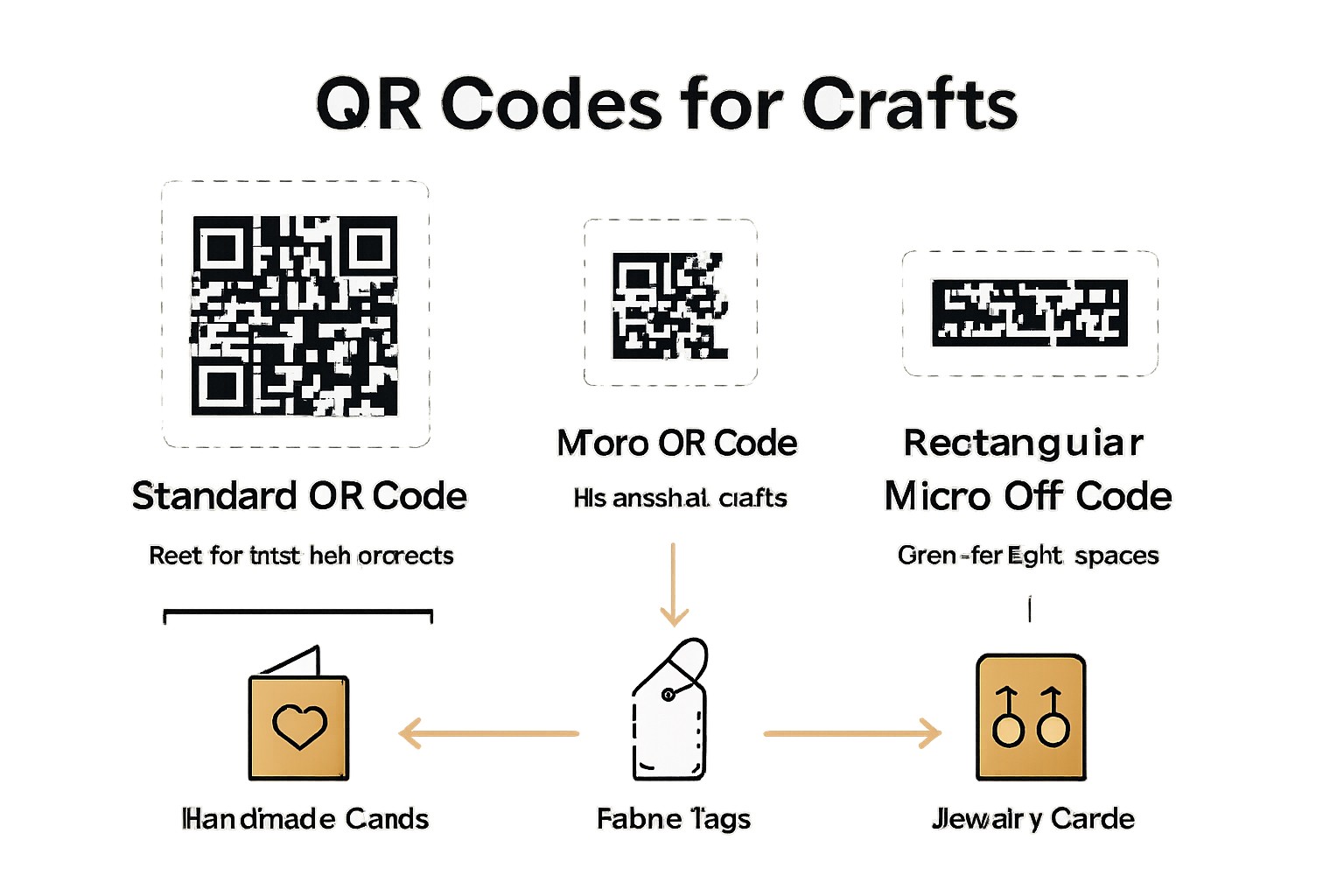
QR codes are not a one-size-fits-all solution for creative projects. Crafters have multiple QR code variations to choose from, each offering unique capabilities for integrating digital experiences into physical artwork. Standard QR codes remain the most common, capable of storing up to 4,296 alphanumeric characters and providing versatile options for artists seeking to embed rich multimedia content.
Micro QR codes represent a more compact alternative for crafting projects with limited space. These miniature digital markers can store smaller amounts of data while maintaining the core functionality of traditional QR codes. Particularly useful for intricate designs, micro QR codes allow artists to incorporate digital links without disrupting the visual aesthetic of their work. The role of QR codes in art has dramatically expanded with these more flexible design options.
Creative professionals have discovered innovative ways to implement different QR code types. The Rectangular Micro QR Code (rMQR Code) offers unique possibilities for crafters working with constrained spatial environments. This specialized variant allows for seamless integration into textile designs, jewelry, scrapbooks, and other art forms where traditional square codes might feel awkward or intrusive.
Understanding the nuanced differences between QR code types empowers crafters to make strategic design choices. From standard codes capable of complex data storage to compact micro versions, artists can now select the perfect digital marker that complements their creative vision. Whether embedding a video tutorial, sharing a personal story, or creating an interactive art piece, the right QR code can transform a simple craft project into an immersive, multimedia experience.
How QR Code Labeling Works for Crafters
QR code labeling transforms crafting projects from static displays into interactive experiences. Labeling art with QR codes provides artists with a powerful method to share additional context, stories, and multimedia content directly alongside their physical creations. Crafters can generate unique QR codes that link to websites, video tutorials, personal narratives, or digital portfolios, expanding the storytelling potential of their artwork.
The process of creating QR code labels involves several strategic steps. Artists begin by selecting the type of information they want to encode – whether it’s a website link, contact information, or multimedia content. Online generators allow crafters to quickly convert their chosen data into a scannable graphic that can be printed, etched, or transferred onto their artwork. These digital markers can be integrated seamlessly into various craft mediums, from textiles and ceramics to scrapbooks and mixed media pieces.
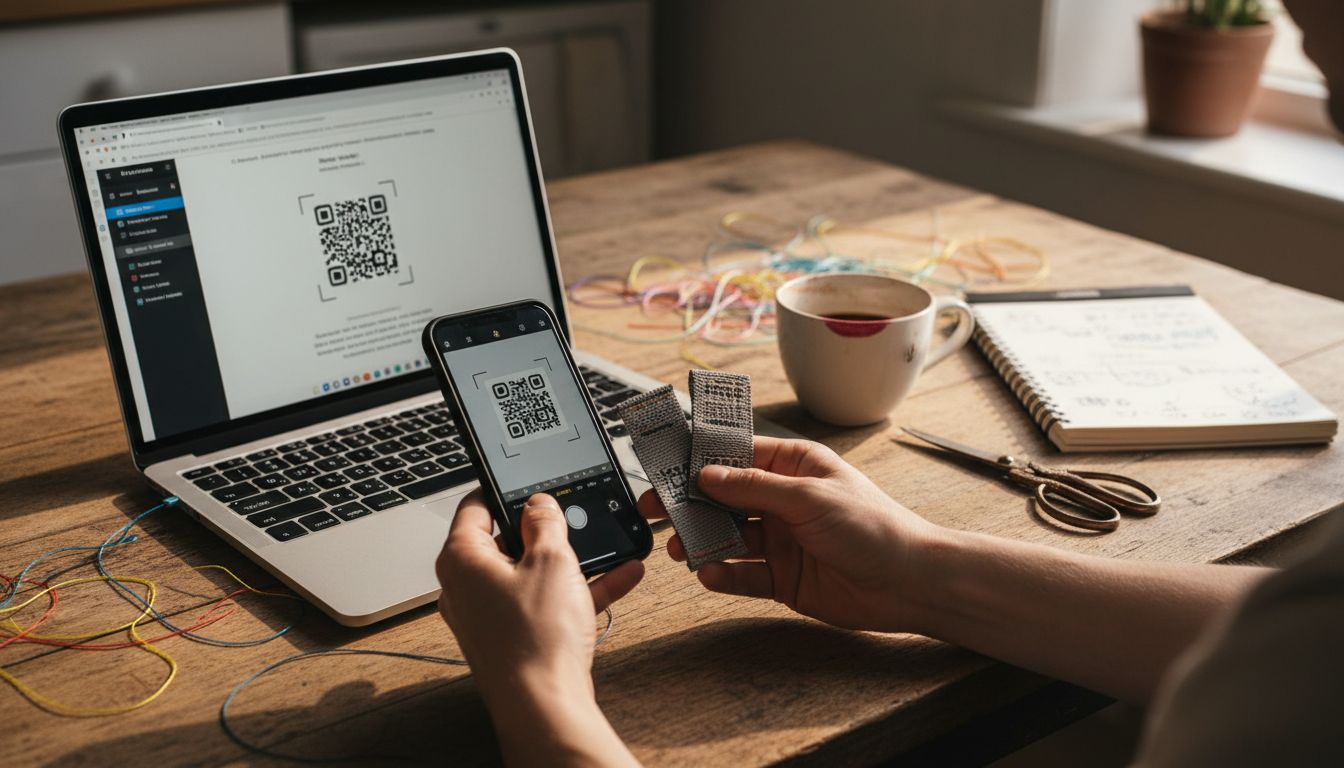
Unique applications of QR code labeling extend far beyond simple information sharing. Creative professionals use these digital markers to provide interactive experiences that bridge physical and digital realms. A textile artist might embed a QR code that reveals the inspiration behind a specific piece, while a jewelry maker could link to a video demonstrating the intricate crafting process. Organizing creative projects with QR codes has become an innovative way to add depth and engagement to artistic work.
The versatility of QR code labeling means crafters can transform how audiences interact with their creations. By adding these small, unobtrusive digital markers, artists create multi-dimensional experiences that extend beyond the physical object. Viewers can now scan a code and instantly access a world of additional information, personal stories, and creative insights, turning a simple craft project into an immersive storytelling platform.
Creative Ways to Use QR Codes in Projects
Crafters are discovering innovative methods to transform their projects through strategic QR code integration. Accessing information through QR codes opens up exciting possibilities for interactive art and personalized creative experiences. Artists can embed these digital markers into various mediums, turning ordinary crafts into multi-dimensional storytelling platforms that engage viewers beyond traditional visual boundaries.
Innovative project applications range from practical documentation to deeply personal storytelling. A textile artist might create a quilt with QR codes linking to the historical background of each fabric pattern, while a ceramics creator could attach codes that reveal the inspiration behind intricate designs. Some crafters use QR codes to provide care instructions for handmade products, ensuring recipients understand the nuanced maintenance requirements of delicate, custom-crafted items.
Interactive storytelling represents one of the most compelling uses of QR codes in creative projects. Just as experimental poetry collections have used these digital markers to reveal hidden verses, crafters can design experiences that unfold layer by layer. A scrapbook could transform into a multimedia narrative, with each QR code unlocking video memories, audio recordings, or written stories that complement the physical artifacts. Event designers might incorporate QR codes into handmade invitations, providing guests with additional event details or interactive RSVP experiences.
The true magic of QR codes in crafting lies in their ability to bridge physical and digital realms. By thoughtfully integrating these small, unobtrusive digital markers, artists create experiences that extend far beyond traditional craft boundaries. Viewers are no longer passive observers but active participants, invited to explore deeper contexts, personal narratives, and creative insights through a simple smartphone scan.
Costs, Durability, and Setup Requirements
QR code implementation for crafting projects is surprisingly affordable and accessible. Information access tools like QR codes can be generated at no cost using online platforms, making them an economical addition to creative projects. Most online generators offer free services that allow crafters to create unique digital markers without significant financial investment, democratizing this innovative technology for artists of all skill levels and budget ranges.
Printing and durability represent critical considerations for crafters integrating QR codes. The specific printing techniques dramatically impact the longevity and readability of these digital markers. Crafters should invest in high-quality printing methods, such as laser printing or professional sticker production, to ensure codes remain scannable and intact through various environmental conditions. Waterproof stickers, ceramic transfers, and UV-resistant printing techniques can help preserve QR codes embedded in textiles, ceramics, or outdoor art installations.
Setup requirements for QR code projects are remarkably straightforward. Most smartphone cameras can now automatically read QR codes without requiring specialized apps, which simplifies the user experience. Crafters need only a few basic tools: a computer with internet access, an online QR code generator, and a reliable printing method. The Rectangular Micro QR Code offers additional flexibility for projects with limited space, allowing artists to incorporate digital markers into even the most compact creative designs without compromising aesthetic integrity.
The technical barriers to QR code implementation have never been lower. Whether creating interactive art pieces, personalizing handmade gifts, or developing multimedia storytelling experiences, artists can now seamlessly integrate these digital markers into their work. The combination of zero-cost generation, versatile printing options, and universal scanning capabilities makes QR codes an increasingly attractive tool for innovative crafters seeking to expand the interactive potential of their creative projects.
Common Pitfalls When Using QR Codes
Crafters must navigate several potential challenges when incorporating QR codes into their creative projects. QR code security considerations are paramount, as poorly implemented digital markers can compromise both the aesthetic and functional integrity of artistic work. Understanding these potential pitfalls helps artists create more reliable and engaging interactive experiences.
Technical challenges represent the most immediate concerns for creative professionals. QR code printing techniques demand careful attention to contrast, sizing, and placement. Codes with insufficient color differentiation between dark and light elements can become unreadable, rendering the entire interactive concept ineffective. Artists must ensure high-contrast printing, typically using black codes on clean white backgrounds, and avoid placing QR codes on busy or textured surfaces that might interfere with scanning.
User experience represents another critical consideration when implementing QR codes in craft projects. Many creators underestimate the importance of testing their digital markers under various conditions. Scanning reliability depends on factors like code size, lighting conditions, and camera angle. A QR code embedded in a textile piece might work perfectly in studio lighting but become unreadable in natural sunlight. Smart crafters prototype their designs, testing codes from multiple angles and in different environments to guarantee consistent performance.
Security and privacy concerns cannot be overlooked when designing QR code experiences. While these digital markers offer incredible interactive potential, they can also expose users to unexpected risks. Crafters should always verify the destination of their QR codes, ensuring they link to safe, appropriate content that aligns with their artistic intent. By approaching QR code integration thoughtfully and strategically, artists can create innovative, engaging projects that surprise and delight their audience without compromising digital safety.
Elevate Your Crafting with Interactive QR Code Labels
Creating captivating crafts is more than just design. It is about telling stories and sharing memories that last. The article highlights how QR codes can transform your crafts into immersive experiences by bridging physical art with digital content. If you want to overcome challenges like limited space for digital links or the hassle of maintaining story context with traditional methods, embedding durable, scannable QR code labels is the smart solution.
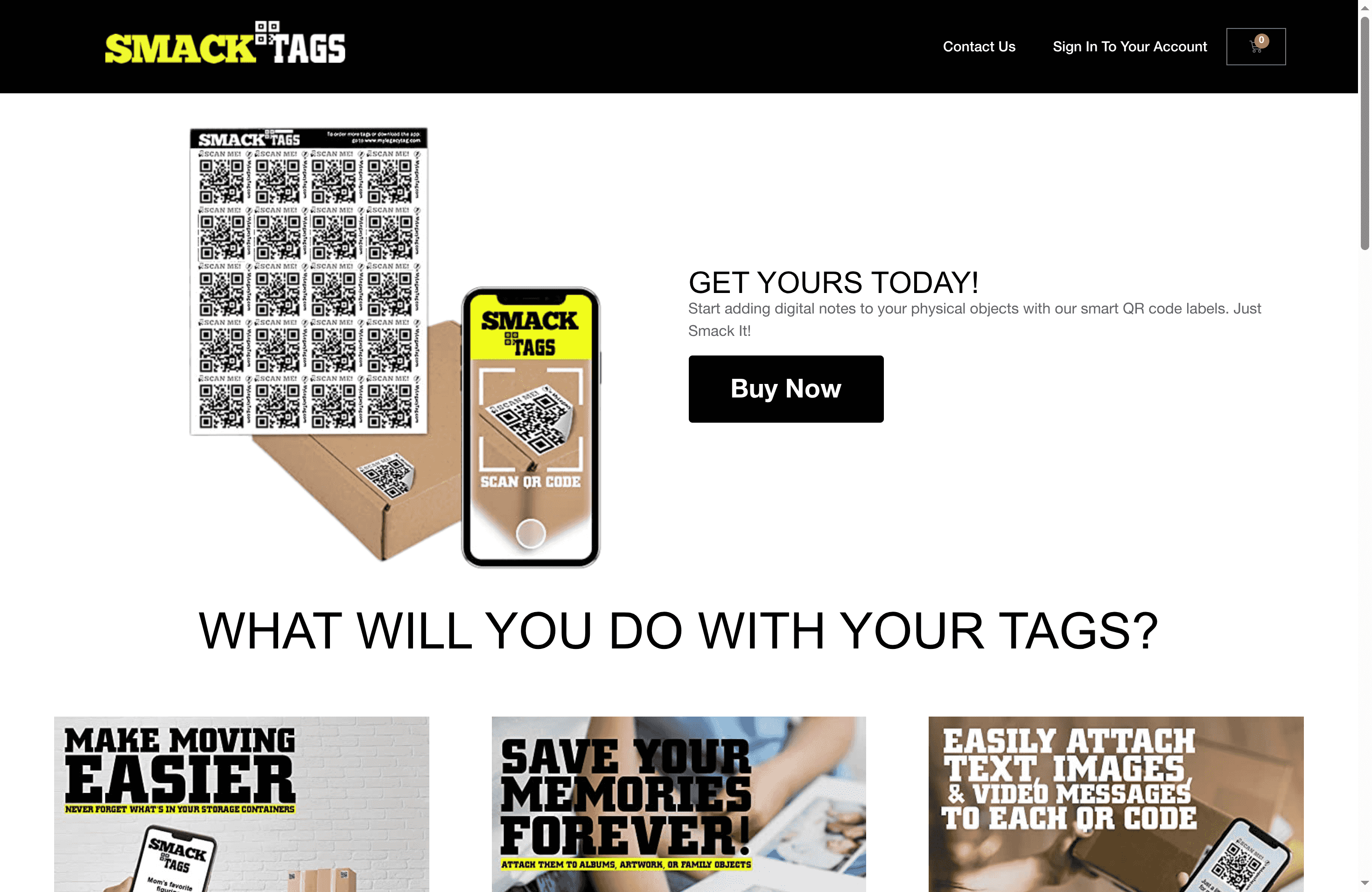
Discover how you can preserve your creative stories with Smack Tags’ QR code labels designed perfectly for artists and crafters. These labels are fade resistant, water resistant, and tear resistant giving your projects lasting impact. Whether you want to link videos, photos, or detailed narratives to quilts, scrapbooks, or handmade gifts explore the possibilities within the Creative – Smack Tags category. Start your journey toward interactive, multimedia crafts today by visiting https://smacktags.com and easily get your first set of 20 durable QR code stickers with subscription for just $12.99 a year. Turn every piece you make into an unforgettable story with Smack Tags.
Frequently Asked Questions
What are QR codes and how are they used in crafting?
QR codes are two-dimensional barcodes that can store significant amounts of data. In crafting, they are used to add interactive digital elements to physical art pieces, such as linking to videos, personal stories, or augmented reality experiences.
What types of QR codes are best for crafting projects?
The most common types of QR codes used in crafting are standard QR codes and micro QR codes. Standard QR codes can hold more data, while micro QR codes are smaller and ideal for projects with limited space without compromising design integrity.
How do I create and print QR code labels for my crafts?
To create QR code labels, choose the information you want to encode, use an online QR code generator to create the code, and then print it using high-quality techniques, ensuring durability and readability for your project.
What are some common mistakes to avoid when using QR codes in my crafts?
Common pitfalls include low contrast in printing, improper code sizing, and neglecting to test the QR code under various conditions. Crafters should also ensure their codes link to safe, appropriate content to protect users’ privacy.