
Role of QR Codes in Personal Organization
Over 90 percent of American adults own a smartphone, turning everyday objects into gateways for smarter organization. Managing personal information can feel chaotic, especially when it spans piles of documents and scattered reminders. QR codes now offer American households a way to simplify everything from keeping track of family memories to sorting household items. Discover practical ways these powerful digital tools can help you streamline routines, stay organized, and gain control of your daily life.
Table of Contents
- QR Codes For Personal Management Explained
- Digital Labeling: Types And Capabilities
- Creating Visual Inventories And Memories
- Connecting Media, Data, And Instructions
- Privacy, Security, And Subscription Costs
Key Takeaways
| Point | Details |
|---|---|
| QR Codes Enhance Personal Management | QR codes offer a versatile method for organizing and accessing various types of personal information quickly and efficiently. |
| Dynamic Digital Labeling | Utilizing dynamic QR codes enables users to easily update information without needing to change the physical label. |
| Multimedia Integration | QR codes can link diverse content, including videos and documents, to physical items, creating interactive and rich storytelling experiences. |
| Security Considerations | Implement robust security strategies to safeguard personal information when using QR codes, focusing on unique code generation and regular audits. |
QR Codes for Personal Management Explained
QR codes have revolutionized personal management by offering an innovative solution for organizing, tracking, and accessing digital information quickly. These two-dimensional barcodes, originally invented in 1994 by Masahiro Hara of Denso Wave, transform how individuals manage personal data and streamline information retrieval.
Modern personal management strategies leverage QR codes across multiple domains. They enable users to create digital inventories of household items, track personal belongings, store important documents, and instantly access critical information through simple smartphone scans. By embedding text, images, videos, and links, these compact graphic codes become powerful organizational tools that transcend traditional paper-based record keeping. The advanced QR code technologies now allow for scanning-robust and visually appealing designs that maintain functionality while enhancing aesthetic appeal.
Implementing QR codes in personal management involves strategic placement and thoughtful content organization. Individuals can use these codes to label storage containers, create digital archives of family heirlooms, manage warranty information, and even preserve personal stories associated with cherished objects. Unlike traditional labeling methods, QR codes provide a dynamic, updatable system for tracking and managing personal information across physical and digital spaces.
Pro Tip: Create a Personal QR Code Management System: Develop a consistent naming and categorization strategy for your QR codes to ensure easy retrieval and maximum organizational efficiency.
Digital Labeling: Types and Capabilities
Digital labeling has transformed personal organization through innovative technologies that go beyond traditional identification methods. Dynamic QR codes offer unprecedented flexibility in digital tracking, allowing users to modify destination data without changing the physical label itself. This adaptive technology enables seamless updates to information linked to specific items, making personal management more efficient and responsive.
The landscape of digital labeling encompasses several sophisticated approaches. Connected-component labeling techniques demonstrate how advanced algorithms can categorize and identify digital components, translating this technology into practical personal organization strategies. Different types of digital labels include QR codes, RFID tags, NFC stickers, and augmented reality markers, each providing unique capabilities for tracking, storing, and accessing information across physical and digital domains.
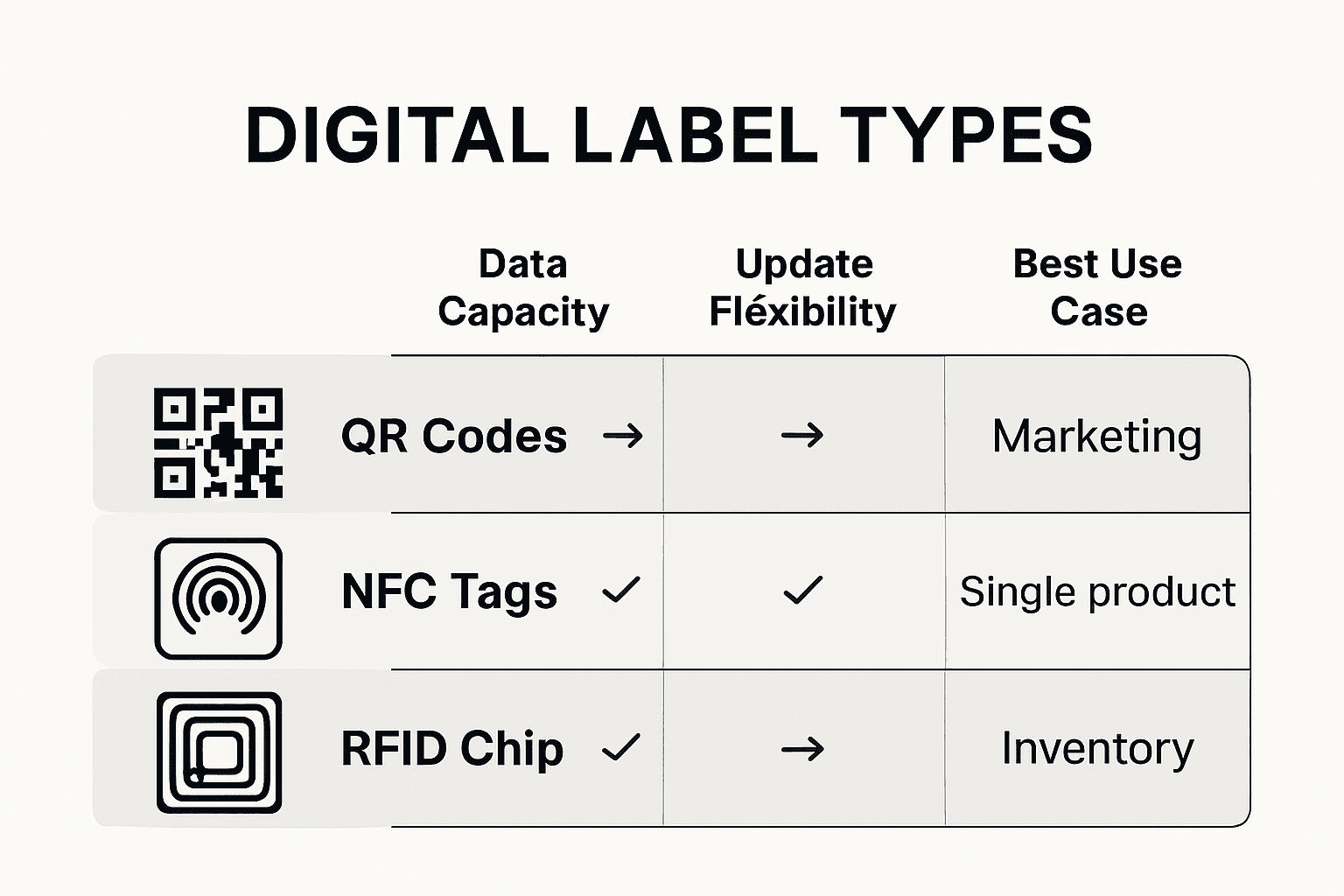
Implementing digital labeling requires understanding specific use cases and matching the right technology to individual organizational needs. For personal management, QR codes excel at storing multiple types of data including text, images, videos, and links. They can track household inventories, manage warranty information, preserve family histories, and create comprehensive digital archives of personal belongings. The versatility of these labels allows individuals to transform mundane objects into rich, information-laden resources.
Here’s a comparison of popular digital labeling technologies for personal management:
| Technology | Data Capacity | Update Flexibility | Best Use Case |
|---|---|---|---|
| QR Codes | High (text, media, links) | Dynamic codes updatable | Home inventories, documents |
| RFID Tags | Moderate (ID numbers, data) | Static (overwrite needed) | Asset tracking, pet IDs |
| NFC Stickers | Moderate (short data, links) | Dynamic with some limits | Access cards, smart posters |
| AR Markers | Low (reference for AR data) | Update through AR system | Art displays, interactive guides |
Pro Tip: Digital Labeling Strategy: Select digital label types based on your specific organizational requirements, considering factors like data capacity, scanning ease, and long-term information accessibility.
Creating Visual Inventories and Memories
Visual inventories represent a revolutionary approach to preserving personal histories and organizing cherished belongings. Advanced QR code generation techniques now allow for creating scanning-robust aesthetic codes that transform mundane documentation into artistic, functional memory preservation systems. These innovative digital labels enable individuals to attach rich multimedia content to physical objects, creating dynamic connections between tangible items and their personal narratives.
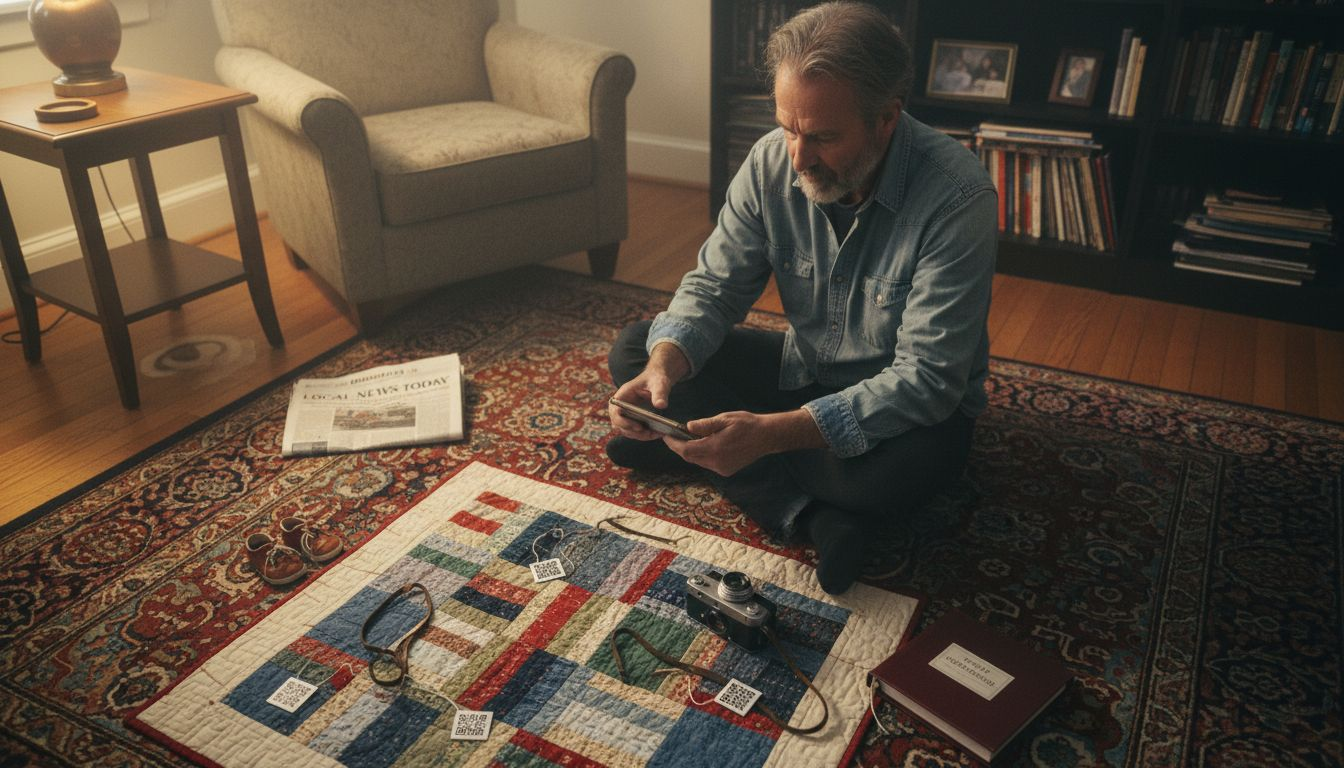
The process of building visual inventories involves strategic content embedding and creative design. Neural style transfer techniques have dramatically expanded the possibilities for personalized, visually engaging QR codes, allowing users to integrate unique artistic elements while maintaining critical scanning functionality. Artists, collectors, and memory enthusiasts can now design QR codes that not only store information but also serve as aesthetic elements themselves, turning organizational tools into creative expressions.
Implementing visual inventories through QR codes provides multiple benefits for personal documentation. These digital labels can store comprehensive information about family heirlooms, artwork, photographs, and personal collections. Users can attach video interviews with elderly relatives, detailed provenance information for art pieces, restoration instructions for antique furniture, or emotional narratives connected to specific objects. The multilayered approach transforms simple labels into rich storytelling platforms that preserve context, emotion, and historical significance far beyond traditional documentation methods.
Pro Tip: Memory Preservation Strategy: Design your visual inventory QR codes with both functionality and personal aesthetic in mind, ensuring they communicate meaningful stories while remaining easily scannable and informative.
Connecting Media, Data, and Instructions
QR codes have emerged as powerful tools for seamlessly integrating diverse types of information across personal and professional domains. Smart resource management systems demonstrate how QR codes can efficiently connect media, data, and instructions, transforming traditional information storage and retrieval methods. These digital labels enable users to consolidate complex information into compact, easily accessible formats that can be instantly retrieved through smartphone scanning.
The technological landscape of information integration continues to evolve with advanced labeling techniques. Intelligent auto-labeling systems leverage in-context learning capabilities to create more sophisticated ways of connecting multimedia content, technical instructions, and contextual data. This approach allows individuals to attach multiple layers of information to physical objects, from instructional videos and maintenance manuals to personal stories and historical context, creating rich, dynamic information repositories that go far beyond traditional documentation methods.
Implementing a comprehensive media and data connection strategy involves thoughtful content curation and strategic labeling. QR codes can link to cloud-stored documents, video tutorials, maintenance records, warranty information, and personal narratives. For instance, a family heirloom could have a QR code that not only provides restoration instructions but also includes video interviews with previous owners, photographs from different eras, and detailed provenance documentation. This multilayered approach transforms simple objects into interactive storytelling platforms that preserve context, emotional significance, and practical information.
Pro Tip: Multimedia Integration Strategy: Design your QR code labels to include a hierarchy of information, starting with essential instructions and progressively revealing deeper layers of context and personal narrative.
Privacy, Security, and Subscription Costs
Navigating the digital landscape of personal organization requires careful consideration of privacy and security implications. QR code technologies present potential risks related to unauthorized data access and malicious website linking, making it crucial for users to implement robust security strategies when integrating these digital labels into personal management systems. Understanding these potential vulnerabilities allows individuals to make informed decisions about how and where they deploy QR code technologies.
Subscription-based QR code management platforms offer varying levels of data protection and feature accessibility. Most services provide tiered pricing models that balance cost-effectiveness with comprehensive security measures. Users should evaluate subscription options based on critical factors such as data encryption, access controls, storage limitations, and the ability to update or delete linked information. Transparent pricing structures typically range from basic free tiers with limited functionality to premium plans that offer advanced security features and unlimited storage capabilities.
Implementing best practices for QR code security involves multiple strategic approaches. This includes using unique, randomly generated codes, regularly updating linked content, limiting public accessibility of sensitive information, and utilizing platforms with strong authentication mechanisms. Individuals should also be mindful of the personal data they choose to embed, focusing on creating meaningful connections while maintaining strict control over potentially sensitive details. The goal is to create a flexible, informative system that prioritizes both convenience and personal privacy.
The table below summarizes key strategies for secure and effective QR code personal management:
| Strategy | Benefit | Example Application |
|---|---|---|
| Consistent Naming/Categorization | Easy information retrieval | Labeling storage boxes |
| Unique, Random Code Generation | Reduces unauthorized access risk | Sensitive document archiving |
| Regular Linked Content Audits | Maintains up-to-date information | Annual family inventory review |
| Tiered Platform Selection | Balances cost and security levels | Choosing free vs. premium QR tools |
Pro Tip: Security Screening Strategy: Regularly audit your QR code linked content, removing outdated information and ensuring that only intentionally shared data remains accessible to potential scanners.
Organize Your World with Smart QR Code Solutions
The article highlights the challenge of managing personal belongings and preserving meaningful stories effortlessly. If you struggle with creating a reliable, dynamic, and visually engaging personal inventory or worry about outdated paper records, this is your solution. Using key concepts like dynamic QR codes and visual inventories, you can take control with easy-to-update, scannable labels that attach rich multimedia content to your treasured items.
Experience how Creative – Smack Tags empowers you to build a seamless personal management system.
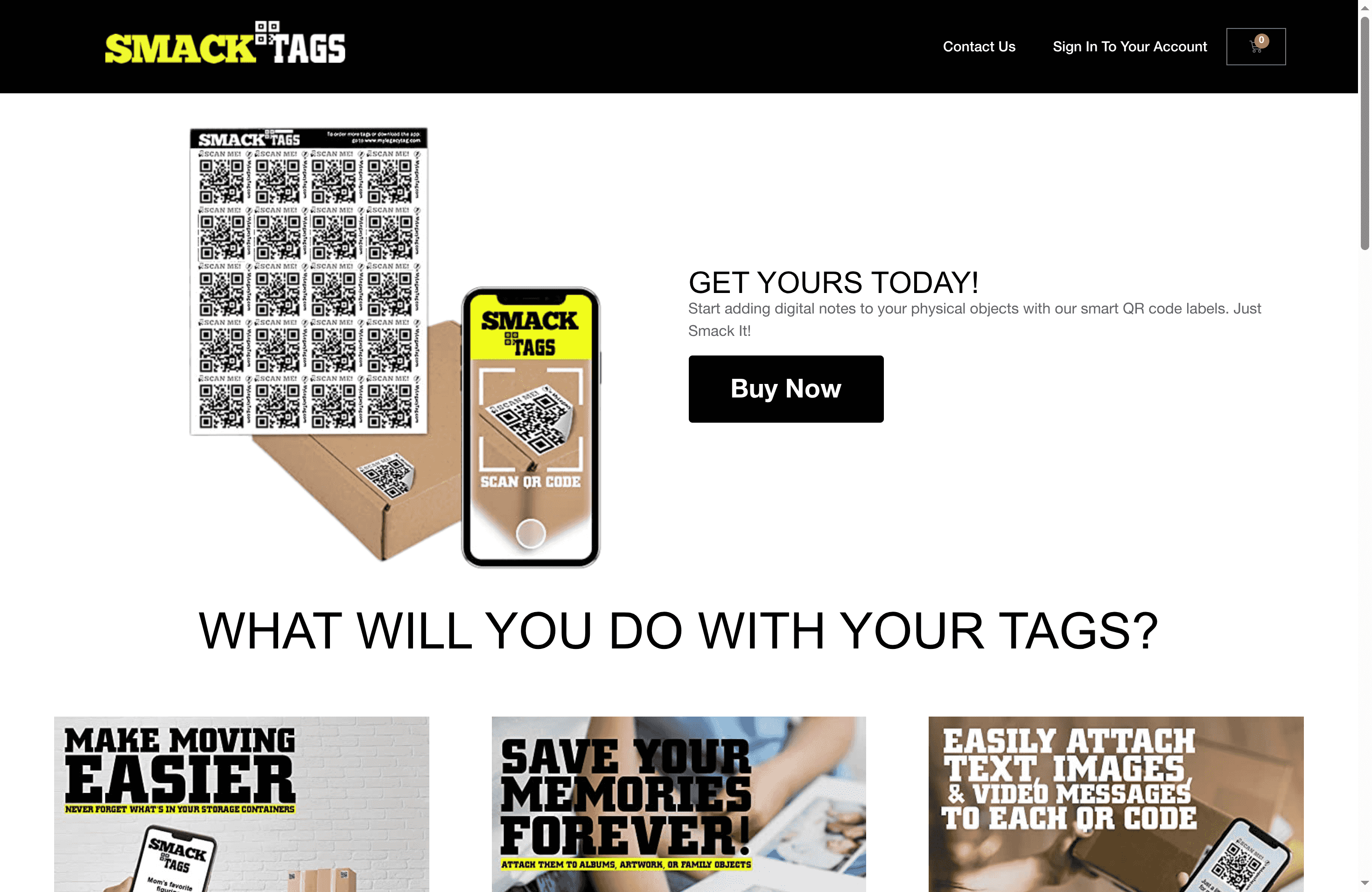
Start preserving memories and organizing your valuables today at Smack Tags. Their durable, water-resistant QR code labels require no app and connect instantly to videos, notes, and documents. Don’t wait until clutter or lost memories take over. Click now and transform your personal organization with smart, secure, and interactive QR code labels.
Frequently Asked Questions
What are QR codes and how can they help with personal organization?
QR codes are two-dimensional barcodes that store digital information, enabling users to organize and access personal data quickly and efficiently. They can be used to create digital inventories, track belongings, and store important documents.
How can I implement QR codes for organizing my personal belongings?
You can implement QR codes by labeling storage containers, creating digital archives of items, managing warranty information, and embedding multimedia content. Strategically place the QR codes where they can be easily scanned to access the associated information.
What are the benefits of using dynamic QR codes for personal management?
Dynamic QR codes allow you to update the data they link to without changing the physical code. This flexibility makes it easy to maintain current information, whether it’s for household inventories, documentation, or personal stories.
How can QR codes be used for memory preservation in personal archives?
QR codes can be designed to store information about family heirlooms and personal collections, including videos, narratives, and provenance details. This turns mundane documentation into rich storytelling platforms, connecting objects with their histories and emotional significance.
Recommended
- Complete Guide to QR Codes in Organizing – Smack Tags
- Complete Guide to QR Codes in Organizations – Smack Tags
- How QR Codes Enhance Productivity: Complete Guide – Smack Tags
- Complete Guide to Organizing With QR Codes – Smack Tags
- How to Organize Bathroom for Maximum Space and Efficiency | Simple Neat Home