
Complete Guide to QR Codes in Organizing
Over 94 million american adults scanned a QR code in the past year, making this simple technology a daily part of modern life. Whether you run a small business, curate art, or handle inventory at home, QR codes have quietly transformed how information flows between the physical and digital worlds. Understanding QR codes and their use can make everyday tasks more efficient, connecting you to data and details in ways that feel seamless and intuitive.
Table of Contents
- Defining QR Codes and Their Purpose
- Popular Uses For QR Codes In Organization
- How QR Codes Simplify Item Management
- Setting Up And Managing QR Code Systems
- Risks, Limitations, And Best Practices
Key Takeaways
| Point | Details |
|---|---|
| Versatile Technology | QR codes facilitate instant information sharing across various domains, bridging physical and digital interactions. |
| Streamlined Management | They simplify item management by centralizing data in a single scannable code, enhancing inventory tracking and documentation. |
| Educational Benefits | In higher education, QR codes improve student engagement by providing direct links to learning materials and resources. |
| Best Practices Essential | Successful implementation requires careful planning, consistent protocols, and user-friendly designs to navigate potential risks effectively. |
Defining QR Codes and Their Purpose
Quick Response (QR) codes represent a powerful and versatile digital technology that enables instant information sharing through a simple visual matrix. First developed in 1994 by Denso Wave, a Toyota subsidiary, these two-dimensional barcodes were originally designed to track vehicles and manufacturing parts inlab.
QR codes are unique matrix codes capable of storing multiple types of digital information with remarkable efficiency. According to research, they can convey diverse data including text, website links, geographical locations, contact details, phone numbers, emails, PDFs, images, and even Wi-Fi login credentials granthaalayahpublication. What makes QR codes exceptional is their ability to be read from any 360-degree angle and their high information capacity with built-in error correction capabilities.
The practical applications of QR codes span numerous domains, from personal organization to complex business processes. They serve as compact digital bridges, transforming static objects into interactive information portals. Artists, crafters, and organizers can leverage these codes to:
- Attach multimedia content to physical items
- Create instant digital documentation
- Preserve stories and memories
- Provide quick access to detailed information
- Streamline inventory and tracking systems
With their compact design and robust information storage capabilities, QR codes have evolved from a manufacturing tracking tool to a ubiquitous technology that connects physical and digital worlds seamlessly.
Popular Uses for QR Codes in Organization
QR codes have revolutionized organizational processes across multiple domains, offering versatile solutions for information management and communication. In higher education, these digital tools are particularly transformative, enhancing classroom engagement by connecting students directly to course materials, surveys, and collaborative documents niu.

Beyond academic settings, organizations leverage QR codes in numerous strategic ways. Asset tracking becomes seamless when each piece of equipment carries a unique QR code that instantly reveals maintenance history, purchase details, and current assignment. Human resources departments utilize these codes for streamlined onboarding, embedding employee handbook links, training video access, and contact information directly onto identification badges.
Crafters, artists, and small business owners find QR codes particularly powerful for inventory management and storytelling. These compact digital markers can transform mundane storage systems into interactive experiences by:
- Linking storage bins to detailed content inventories
- Attaching video descriptions to artwork or products
- Preserving provenance information for handmade items
- Creating quick reference guides for equipment usage
- Providing instant access to warranty and maintenance records
The real magic of QR codes lies in their ability to bridge physical and digital worlds, turning static objects into gateways of rich, contextual information. From warehouses to art studios, these versatile tools are redefining how organizations capture, share, and interact with critical data.
How QR Codes Simplify Item Management
Item management has been dramatically transformed by QR code technology, offering unprecedented efficiency and organization for businesses and individuals alike. In scholarly and professional contexts, these compact digital markers provide quick access to supplementary materials, enhancing information retrieval and management processes granthaalayahpublication.
The power of QR codes in item management lies in their ability to centralize complex information within a single scannable code. Artists, crafters, and small business owners can now track inventory, document provenance, and maintain comprehensive records with unprecedented ease. Each QR code becomes a digital passport for an item, storing critical details like purchase date, maintenance history, value, location, and even multimedia content such as photographs or instructional videos.
Implementing QR code management strategies offers multiple advantages across various domains:
- Instant access to detailed item histories
- Reduced manual record-keeping time
- Simplified inventory tracking
- Enhanced asset protection and documentation
- Seamless information sharing across different platforms
By transforming physical items into interactive digital experiences, QR codes bridge the gap between tangible objects and their rich contextual narratives.
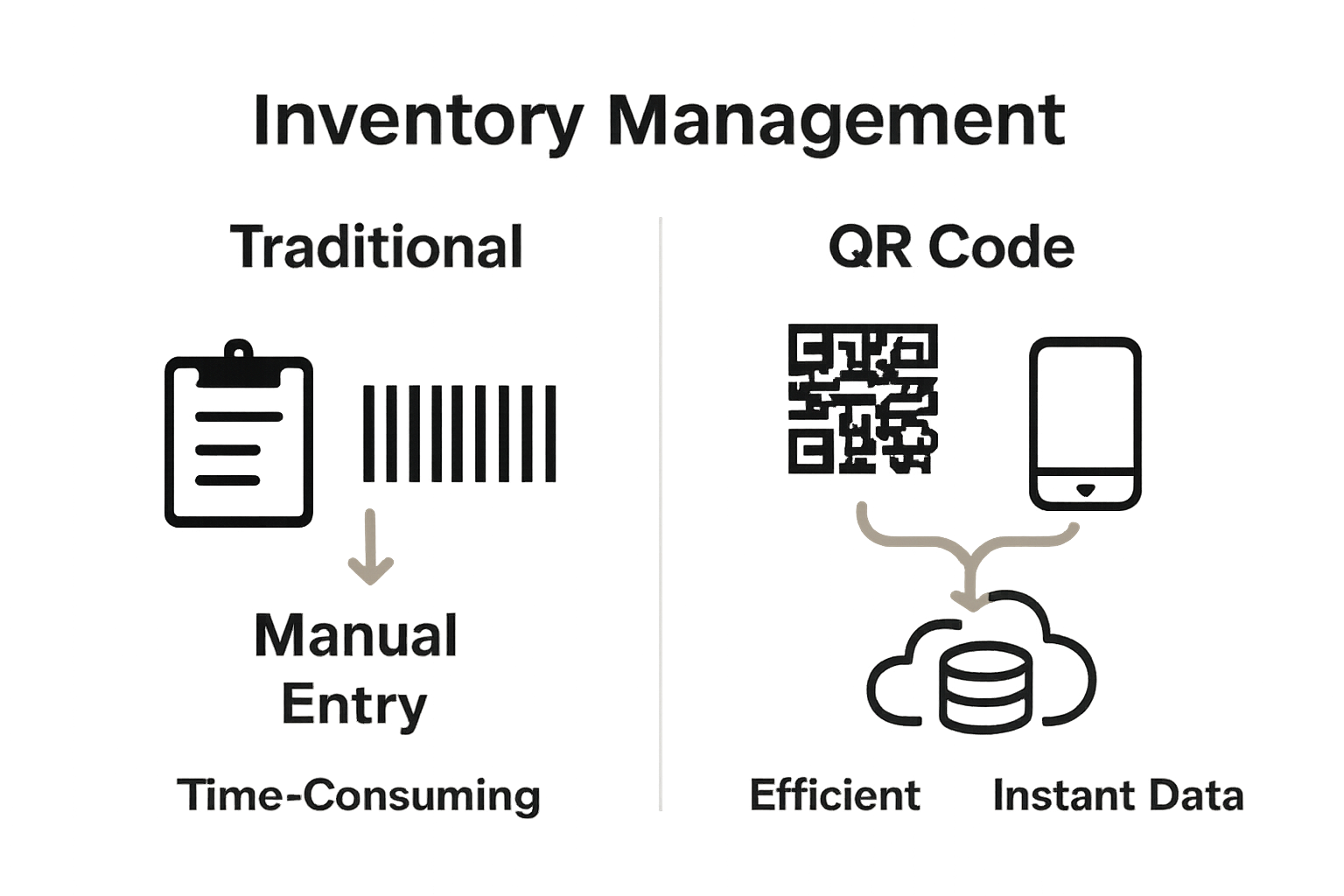 From warehouse logistics to personal collections, these ingenious codes are revolutionizing how we perceive, track, and interact with our belongings.
Setting Up and Managing QR Code Systems
Implementing an effective QR code system requires strategic planning and thoughtful integration across various organizational contexts. In educational settings, instructors can leverage these digital tools by creating codes that link directly to critical resources such as syllabi, assignments, and reading materials niu. The key is to design a system that enables quick updates and provides instant access to information.
Successful QR code management involves several crucial steps. Artists, crafters, and small business owners should first establish a consistent naming and tracking protocol. This means developing a standardized method for generating unique codes, selecting appropriate QR code generators, and creating a centralized database to track each code’s associated information. As institutions like universities have demonstrated, integrating QR codes into existing management systems can dramatically streamline content distribution and accessibility psu.
When setting up your QR code system, consider these essential best practices:
- Choose a reliable QR code generation platform
- Establish a consistent naming convention
- Create a comprehensive tracking spreadsheet
- Regularly update and verify linked content
- Test codes across multiple devices and scanning apps
- Implement a backup system for stored information
The most effective QR code systems are flexible, scalable, and designed with your specific organizational needs in mind. Whether you’re managing inventory, preserving artistic documentation, or streamlining educational resources, a well-planned approach ensures maximum utility and minimal technical complexity.
Risks, Limitations, and Best Practices
Navigating the world of QR codes requires a nuanced understanding of both their potential and potential pitfalls. In healthcare and educational settings, implementing QR codes demands careful consideration of user engagement and technical challenges pubmed. While these digital tools offer incredible utility, they are not without inherent risks and limitations that users must proactively address.
The widespread adoption of QR codes, particularly during the COVID-19 pandemic, revealed critical insights into their practical application. Researchers emphasize the importance of ensuring accessibility and user-friendly implementation across diverse user groups acrl. This means going beyond simple code generation and thinking strategically about how different users might interact with these digital markers.
Key risks and best practices for QR code management include:
- Verify the security and authenticity of QR code sources
- Provide clear instructions for scanning and usage
- Test codes across multiple devices and platforms
- Implement robust data privacy protections
- Maintain updated and accurate linked content
- Consider alternative access methods for users with technological limitations
Ultimately, successful QR code implementation is about balance. Artists, crafters, and small business owners must weigh the convenience of instant digital access against potential technical and security challenges. By approaching QR codes with thoughtful strategy and user-centric design, organizations can maximize their benefits while minimizing potential drawbacks.
Transform Your Organization with Smart QR Code Solutions
Managing items and preserving memories can feel overwhelming when relying on traditional tracking methods. This article highlights how QR codes offer an effortless digital bridge between physical objects and rich contextual information. Whether you are an artist, small business owner, or someone looking to organize your personal collection, QR codes solve key challenges like inventory tracking, easy access to detailed histories, and digitizing your memories with multimedia content.
Creative – Smack Tags offers durable, waterproof QR code labels perfect for these needs.

Discover how these simple to use labels let you skip pen and paper so you can attach videos, text, and images directly to your important items without any app required. With fade-resistant stickers and an easy subscription plan, you can confidently create interactive inventories and access crucial information anytime. Start organizing smarter today by visiting Smack Tags and turn your physical belongings into dynamic stories and stored data with ease.
Frequently Asked Questions
What are QR codes and how do they work in organizing?
QR codes are two-dimensional barcodes that store a variety of digital information, including text, website links, and contact details. They simplify organizing by providing quick access to important resources and facilitating efficient information management.
How can QR codes enhance inventory management for small businesses?
QR codes can transform inventory management by linking each item to detailed information about its history, location, and value. This enables quick access to records, reduces manual tracking time, and improves asset documentation.
What are the best practices for implementing a QR code system in an organization?
Best practices include choosing a reliable QR code generation platform, establishing a consistent naming convention, maintaining a centralized tracking system, regularly updating linked content, and testing codes across different devices for usability.
Are there any risks associated with using QR codes in organizational contexts?
Yes, potential risks include security vulnerabilities, user engagement challenges, and accessibility issues. It’s important to verify QR code sources, provide clear scanning instructions, and implement robust data privacy measures to mitigate these concerns.